




Paris and Beijing are intensifying contacts and initiatives aimed at defusing the effects of the diplomatic crisis that broke out between both countries in the midst of the Covid-19 pandemic, following “aggressive publications” issued by the Chinese embassy in Paris, denounced by the Ministry of Foreign Affairs as fake news.
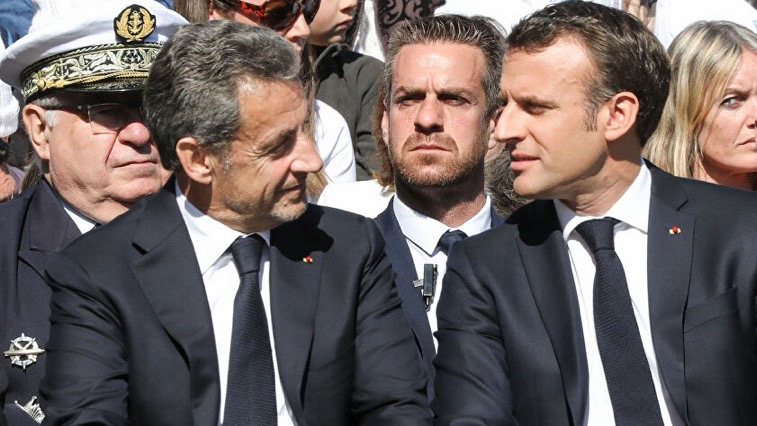
The former President of the Republic, Nicolas Sarkozy, was in constant contact with President Macron throughout the Covid-19 crisis. In March, at the height of the pandemic, the former President had advised the current President to form a “government of public salvation and solidarity” at the reopening of parliament, in order to face the post-Covidian political and economic challenges.
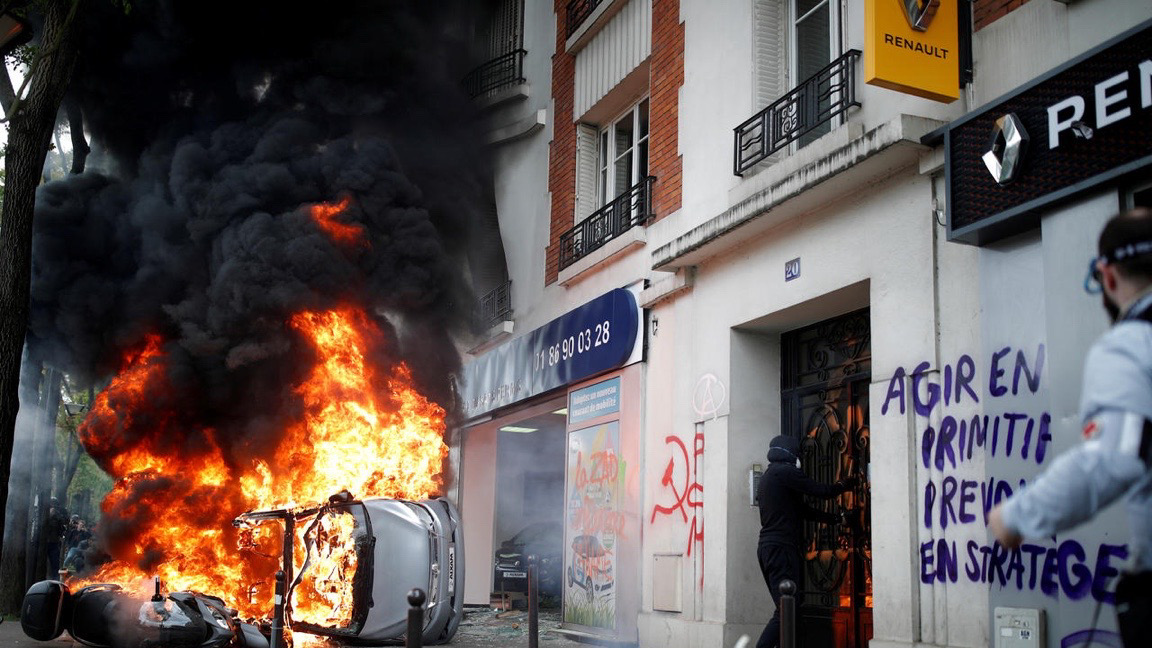
The Directorate General for Internal Security (DGSI) and the Central Service of Territorial Surveillance (SCRT) alerted the Ministry of the Interior to the risk of a resurgence of acts of civil disobedience this summer in the post-Covidian social context. The Services even fear possible attacks on State symbols, including law enforcement agencies, which could be carried out by radical right-wing and left-wing extremist groups. The alert is particularly concerned about the possible manipulation of the Yellow Vests by these radical groups.

It represents a very small card in the jungle of administrative recommendations issued in France on the occasion of deconfinement, but it is a huge step in the fight against communitarianism. This three-page document issued by the Ministry of National Education, under the title of “Coronavirus and the risk of communitarian withdrawal”, is at once unprecedentedly clear-sighted on the complexity of the “spectrum of radical ideas of communitarianism”, on the “techniques and ways of proceeding” of the various “radical groups” carrying out “anti-democratic and anti-republican” projects and on the “conduct to be adopted” to thwart the “separatist” aims of such groups, whether they are “communitarian, authoritarian or unequal”.
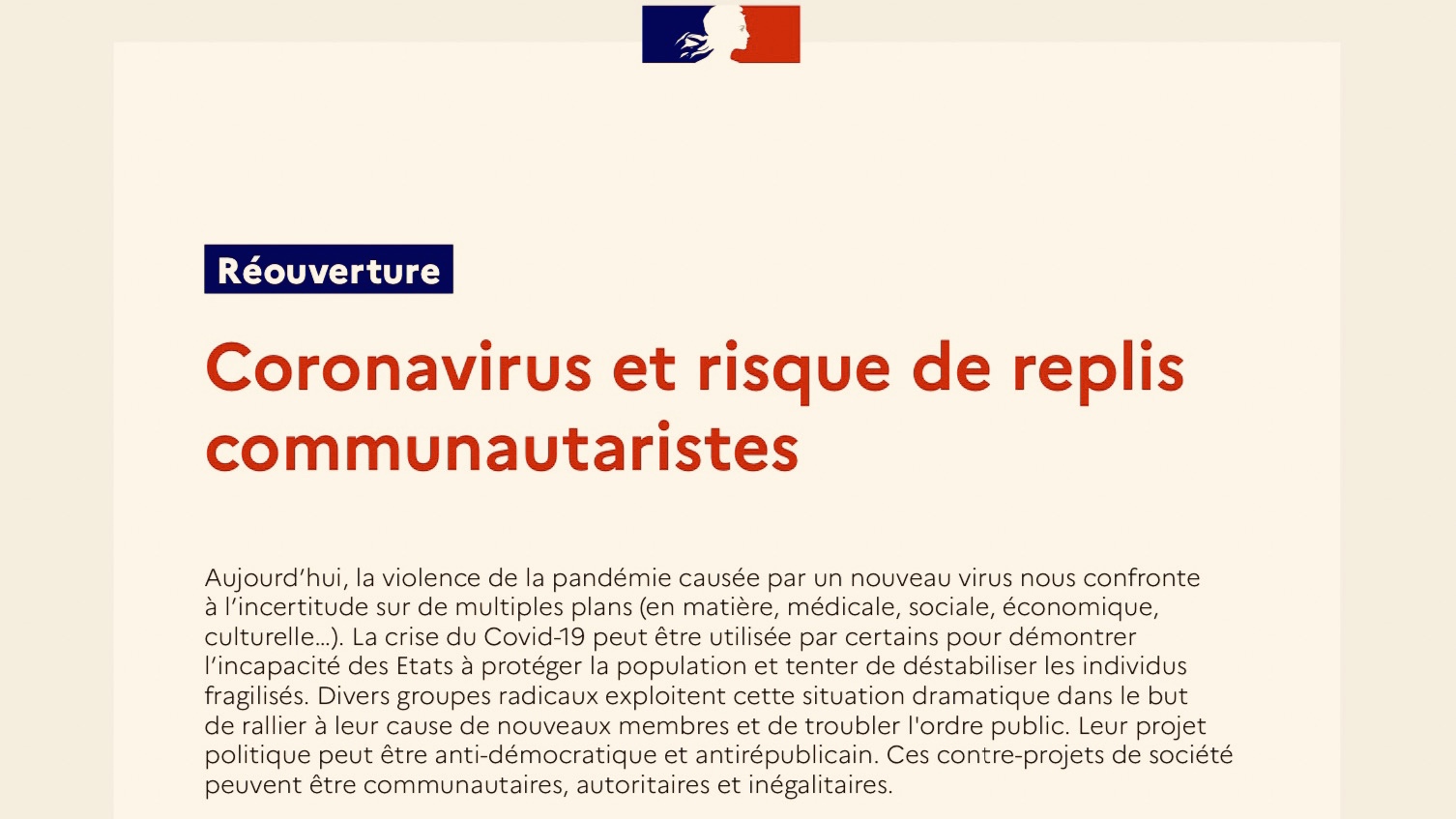
It represents a very small card in the jungle of administrative recommendations issued in France on the occasion of deconfinement, but it is a huge step in the fight against communitarianism. This three-page document issued by the Ministry of National Education, under the title of “Coronavirus and the risk of communitarian withdrawal”, is at once unprecedentedly clear-sighted on the complexity of the “spectrum of radical ideas of communitarianism”, on the “techniques and ways of proceeding” of the various “radical groups” carrying out “anti-democratic and anti-republican” projects and on the “conduct to be adopted” to thwart the “separatist” aims of such groups, whether they are “communitarian, authoritarian or unequal”.
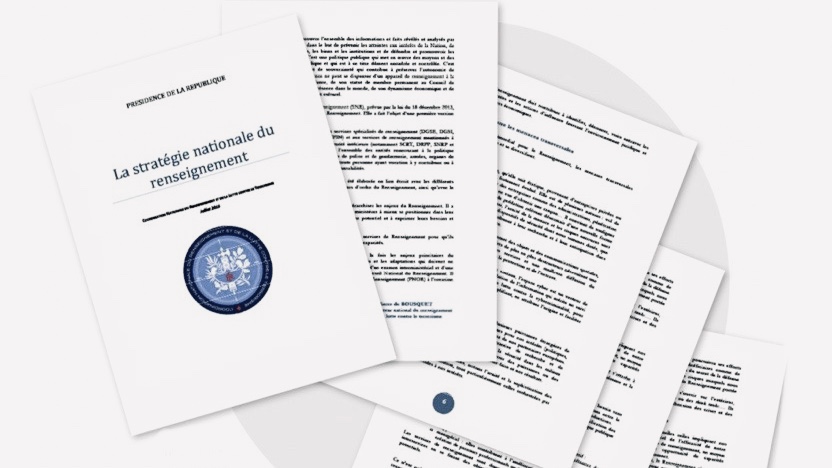
Identifying the most crucial French intelligence issues and proposing a new way of operating and coordinating the efforts of the French intelligence community is at the heart of the national intelligence strategy developed this summer by the National Coordination for Intelligence and Counter Terrorism (in French: Coordination Nationale du Renseignement et de la Lutte contre le Terrorisme – CNRLT).
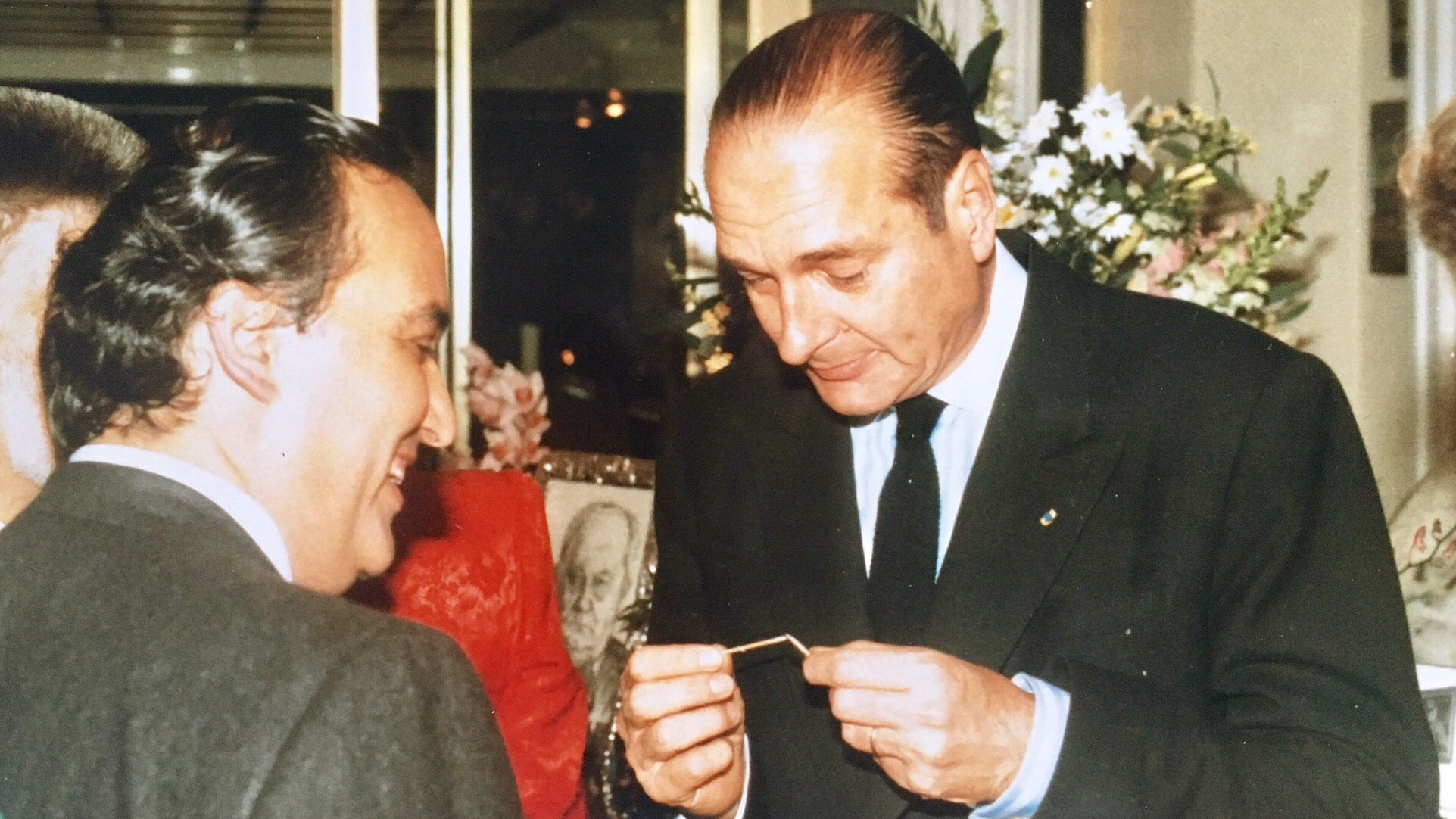
My first meeting with Jacques Chirac was organised by Michel Baroin (François Baroin’s father, whom Jacques Chirac considered as a son). At the time, Jacques Chirac was mayor of Paris and Michel Baroin, former head of cabinet of the President of the National Assembly, Edgar Faure, had become CEO of the GMF (Garantie Mutuelle des Fonctionnaires).
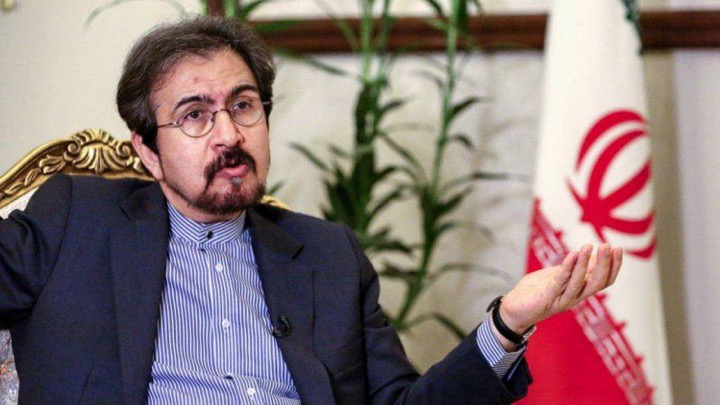
The new Iranian ambassador in Paris, Bahram Ghassenmi, has received the largest budget allocation from the Iranian Ministry of Foreign Affairs. Tehran intends to make its embassy in France the spearhead of its diplomacy in Europe, to counter American hostility.
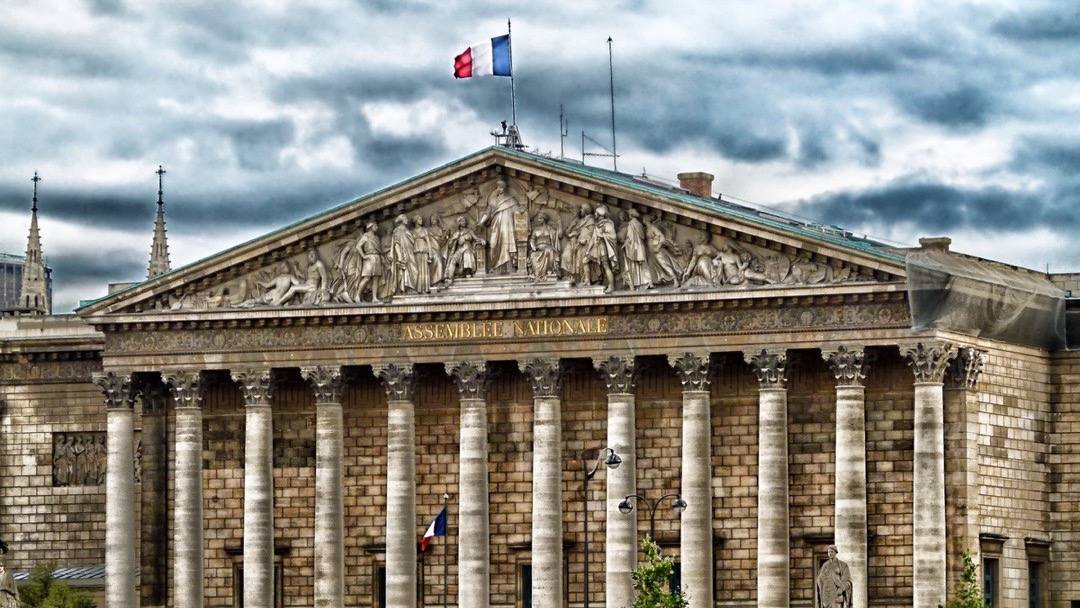
The Parliamentary Intelligence Delegation (DPR) wants to strengthen its financial and
Control resources. To do this, the DPR will recruit military and civil intelligence specialists. It will also sign information exchange agreements, on non-national subjects,
with European parliamentary committees.
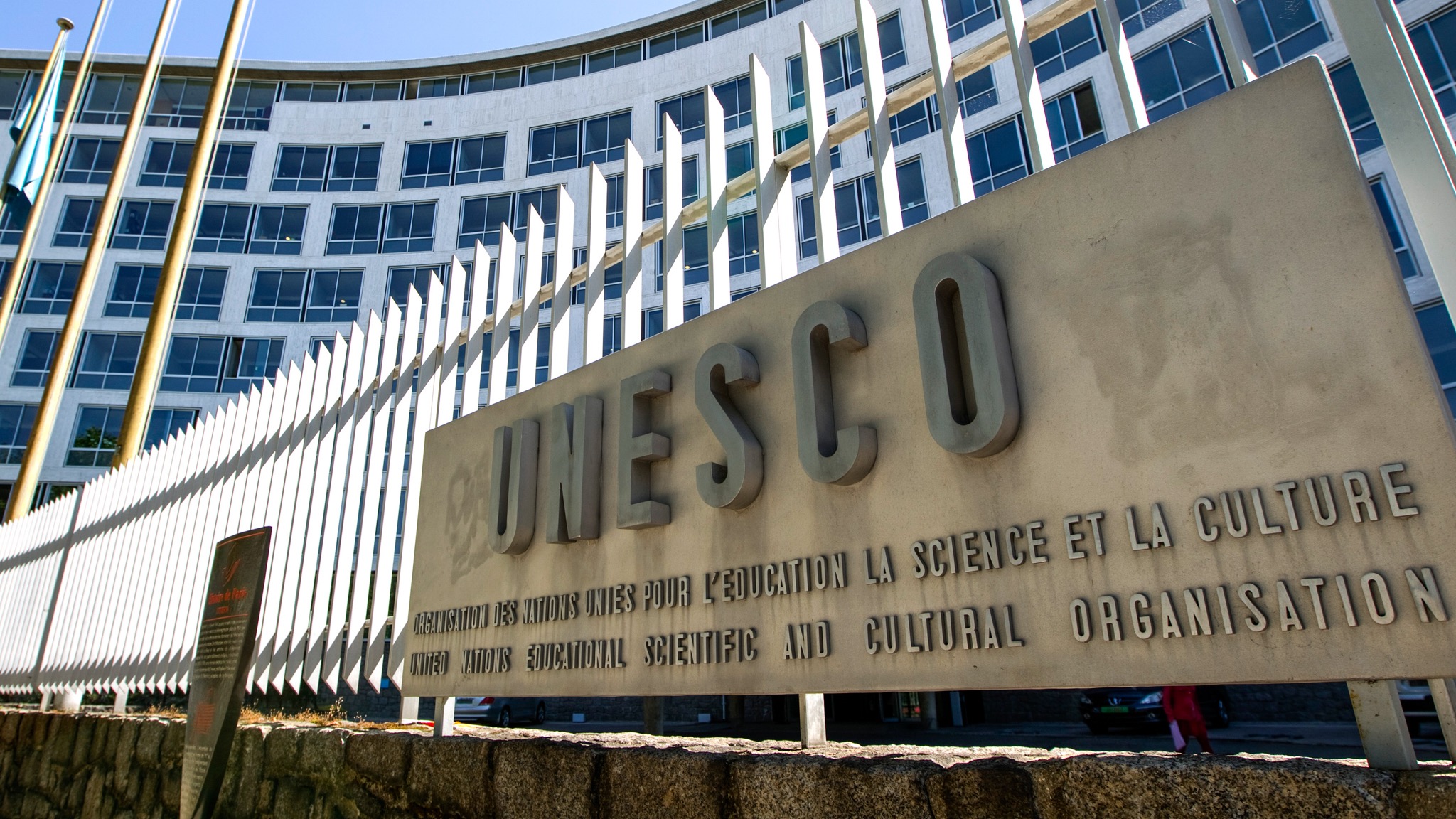
After a first unsuccessful candidacy for the leadership of UNESCO in 2017, Qatar is actively preparing a new candidacy for the 2021 elections.
