



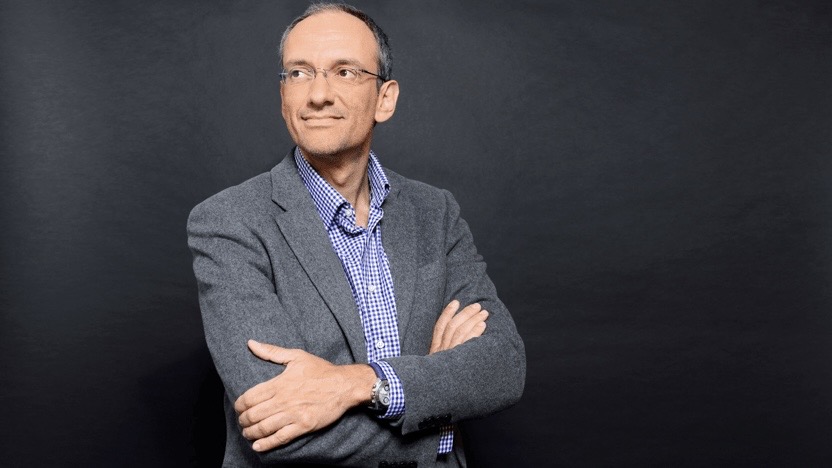
Geopolitician and essayist Frédéric Encel analyzes the repercussions of the new shockwave shaking the Middle East after the fall of the Assad regime in Syria and the rise to power of an Islamist coalition led by Abu Mohammed al-Joulani, a former figure of ISIS and al-Qaeda.
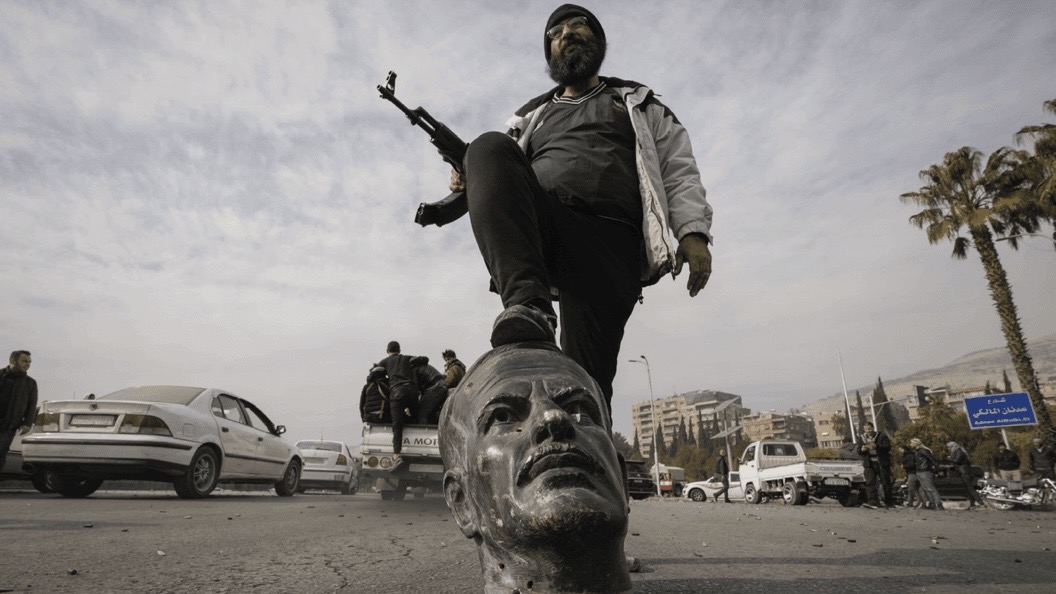
The revolution is underway in Damascus. Once again, in the Arab world, history takes a dramatic turn, and the Syrian people hold their breath. Bashar al-Assad has fled the country, and Islamists have seized power. What lies ahead? The battalions led by Abu Mohammed al-Joulani, a former jihadist of ISIS and then al-Qaeda – whom he allegedly parted ways with in 2016 – thank Allah from the Umayyad Mosque in Damascus, a radiant symbol of Sunni Islam. These images will go down in history, though no one knows how it will unfold.
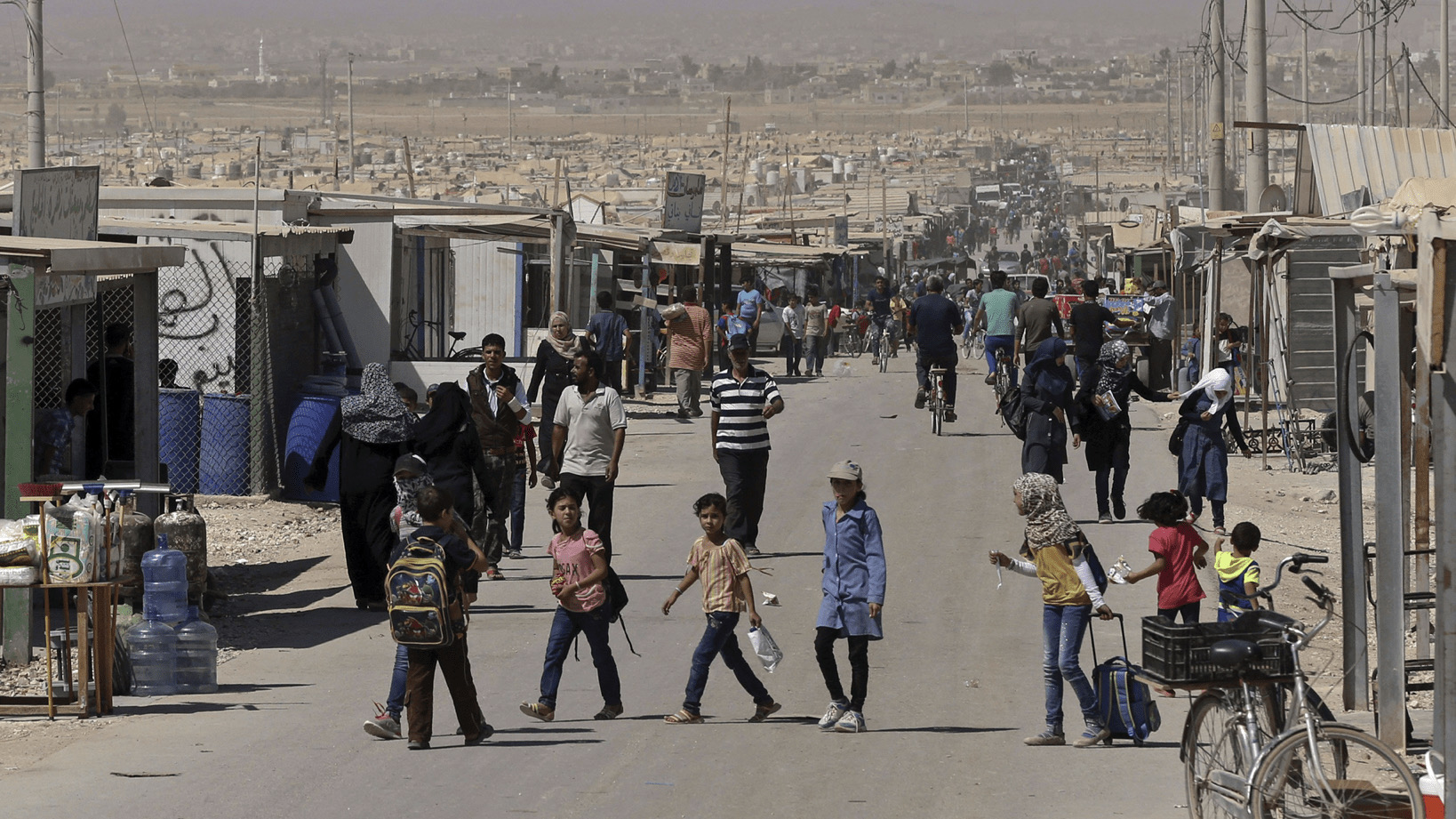
At a time when we are wondering about the consequences that the pandemic will have on our lives and children’s lives. At a time when the challenge of getting our economy back on its feet is obsessing our fellow citizens and our leaders, in the Zaatari camp in the Jordanian desert, 80,000 Syrian refugees try to survive in appalling conditions.

A university scholarship programme, funded by Qatar in 2015, was to give about 100 Syrian refugee students the opportunity to continue their studies at the prestigious Sorbonne University. Three years later, the overwhelming majority of Syrian students were expelled from this programme under conditions considered by some to be “arbitrary and discriminatory”. At the same time, the nature and objectives of the program has changed, opening up to refugees of other nationalities, or even to students who would not even be refugees!
