



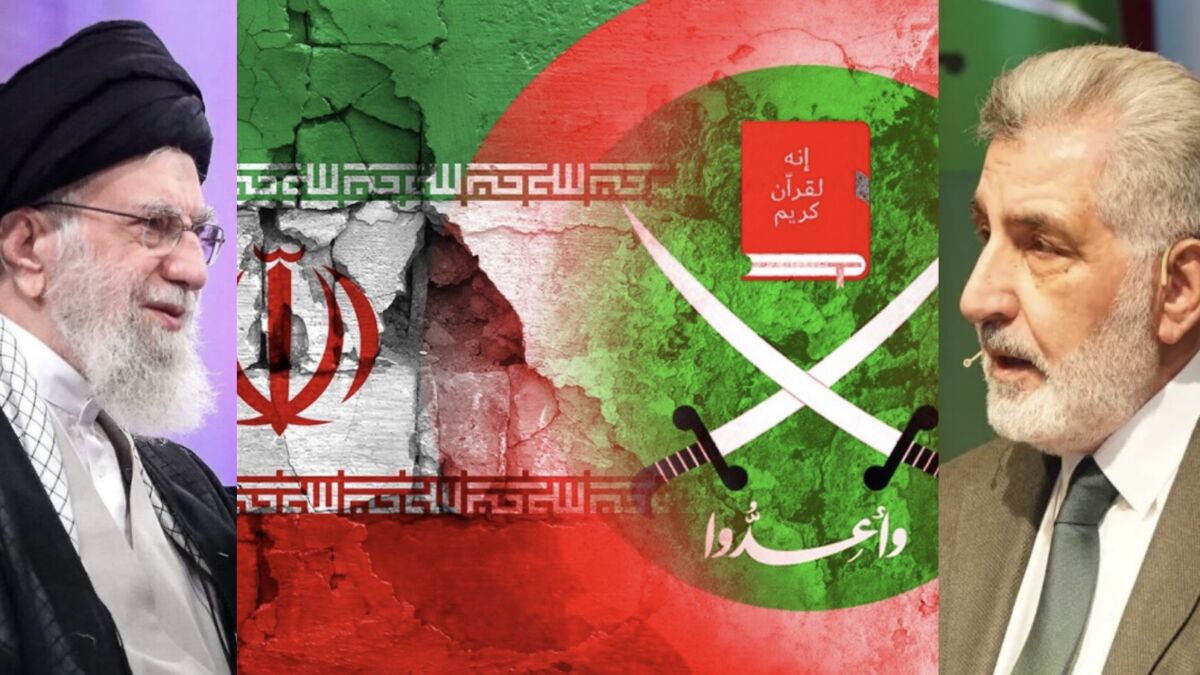
In a letter dated June 18, 2025, addressed to the Supreme Leader of the Iranian Revolution, Ayatollah Ali Khamenei, the acting General Guide of the Muslim Brotherhood, Salah Abdel Haq, announced the Brotherhood’s “full support” for the Iranian regime and proposed a joint strategy to “gather forces” and “unify the efforts” of Islamist movements.
While expressing satisfaction over the “defeat” inflicted on Israel on October 7, the leader of the Muslim Brotherhood considers the Israeli attack on Iran as “A new phase in the aggression against Palestine.”
Calling for an end to divisions between Sunnis and Shiites in the name of the necessary “unity of the Islamic ummah” in the face of the “common enemy” that is the “Zionist entity,” the Brotherhood’s Guide proposes to his Iranian counterpart a “comprehensive strategic vision” aimed at rallying the will of the “living and active forces” of the “Islamic Ummah,” by “unifying their efforts” to confront the “fire of occupation and its supporters [which] makes no distinction between our origins or our schools of thought” and seeks to “expand the aggression to the entire resistance environment, whether it be a central state like the Islamic Republic of Iran, or the Islamic movement [i.e., Hamas], at the heart of which lies the Muslim Brotherhood.”
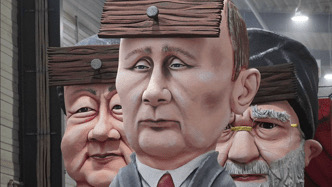
Are the democratic values championed by Europe and the United States destined to fall under the expansionist fury of Eastern autocrats like Khamenei, Putin, Xi Jinping, and Erdogan? Jean-François Colosimo, author of “The West, Global Enemy No. 1” (Albin Michel), and Amin Maalouf, who examines the roots of the conflict between Russia and Ukraine in “The Maze of the Lost: The West and its Adversaries” (Grasset), prompt a necessary reflection on this topic.
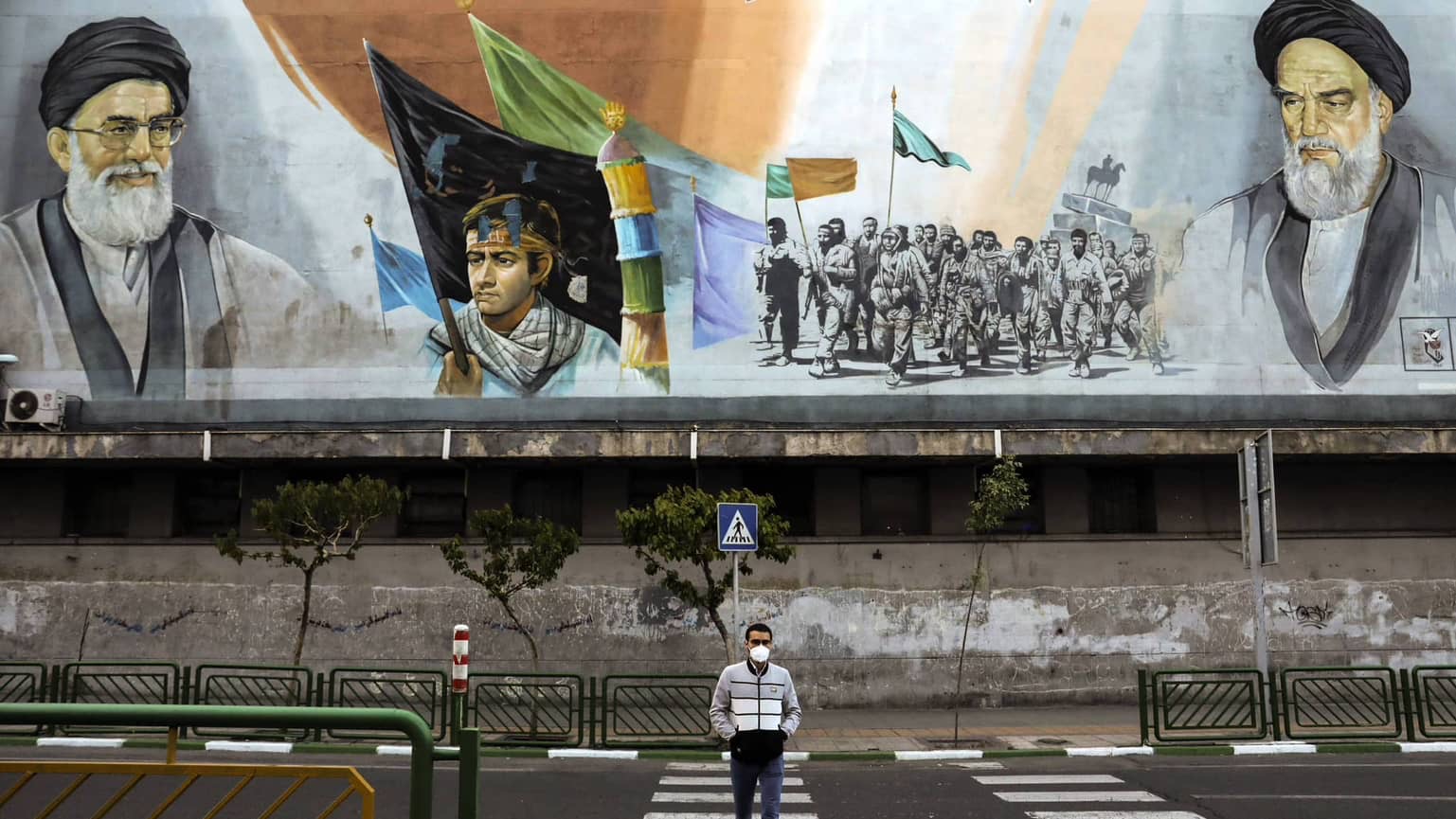
A vast country of 85 million souls lives under the boot of a bellicose dictatorship, plagued by corruption and contested by over 70% of the population. The young people of Persia, who are now demanding the separation of religion and state, must be given unstinting support in the face of a tyranny on the verge of going nuclear and dreaming of setting the world ablaze.
French Iranian sociologist, academic and essayist Azadeh Kian analyses the motivations of the Tehran regime, the issues at stake in the march to war and the driving forces behind the powerful protest movement that is undermining the power of the Revolutionary Guards.
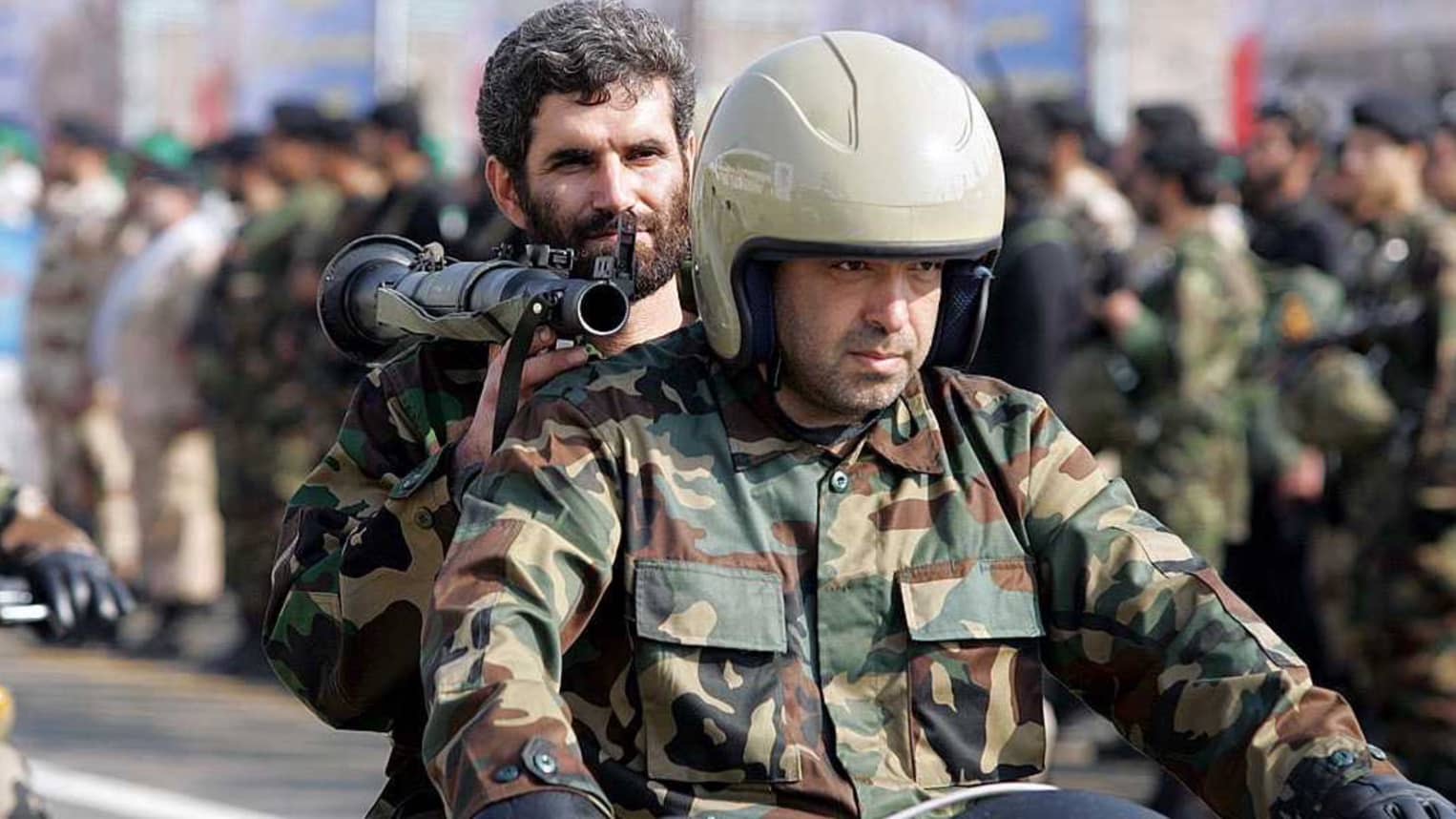
It is little known in Europe. Yet this force in charge of external operations for the Revolutionary Guards Corps – the Iranian regime’s paramilitary militia – is behind most of the terrorist attacks commissioned by the Islamic Republic of Iran. It is also at work in the Red Sea and the Straits of Hormuz, where its drones attack tankers and international commercial vessels. In the space of thirty years, it has woven a network of spies that operate even in European capitals, which it threatens more than ever. Here’s how it works.
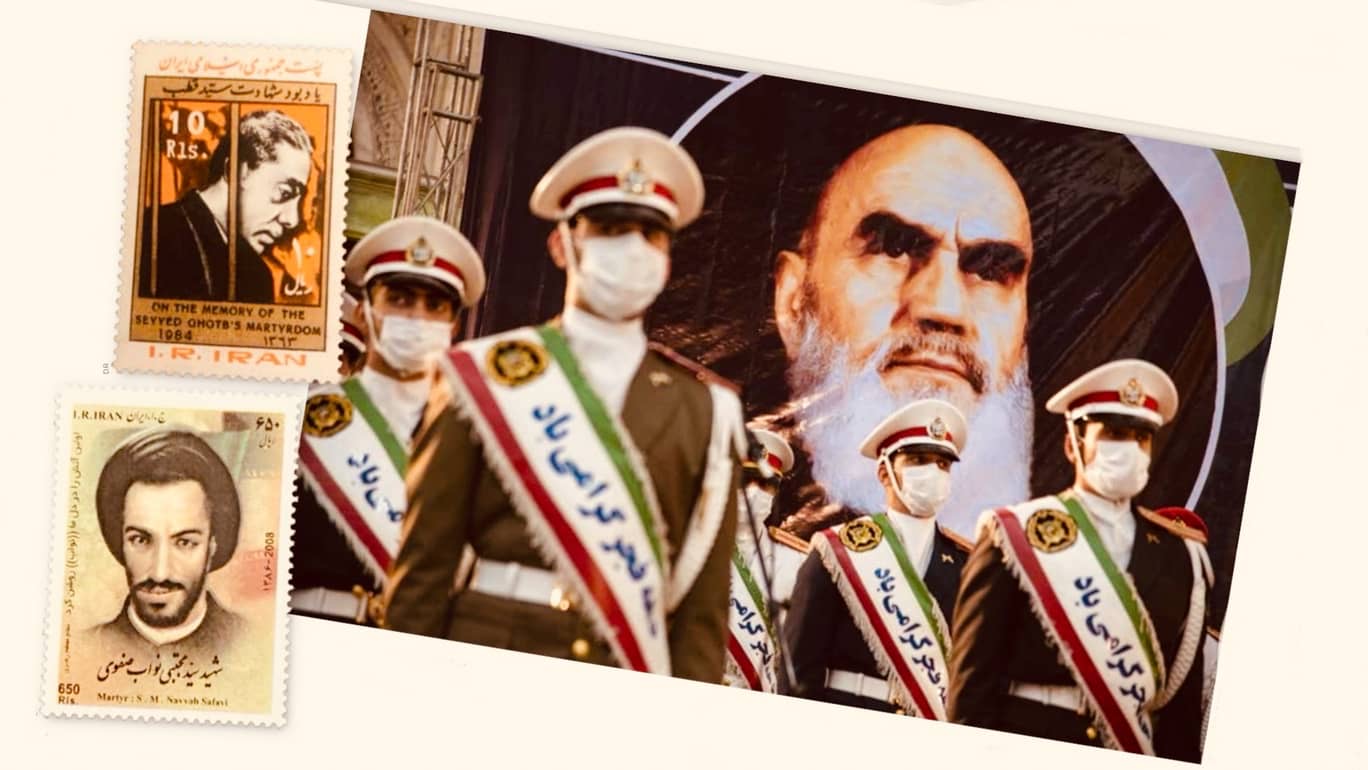
In a remarkable book, entitled “the hidden face of the Mullahs. The black book of the Islamic Republic of Iran”, Emmanuel Razavi, senior independent reporter, regular contributor to Global Watch Analysis, reveals how the ideology of the Muslim Brotherhood inspired Khomeini’s Shiite political Islam. Exclusive extracts
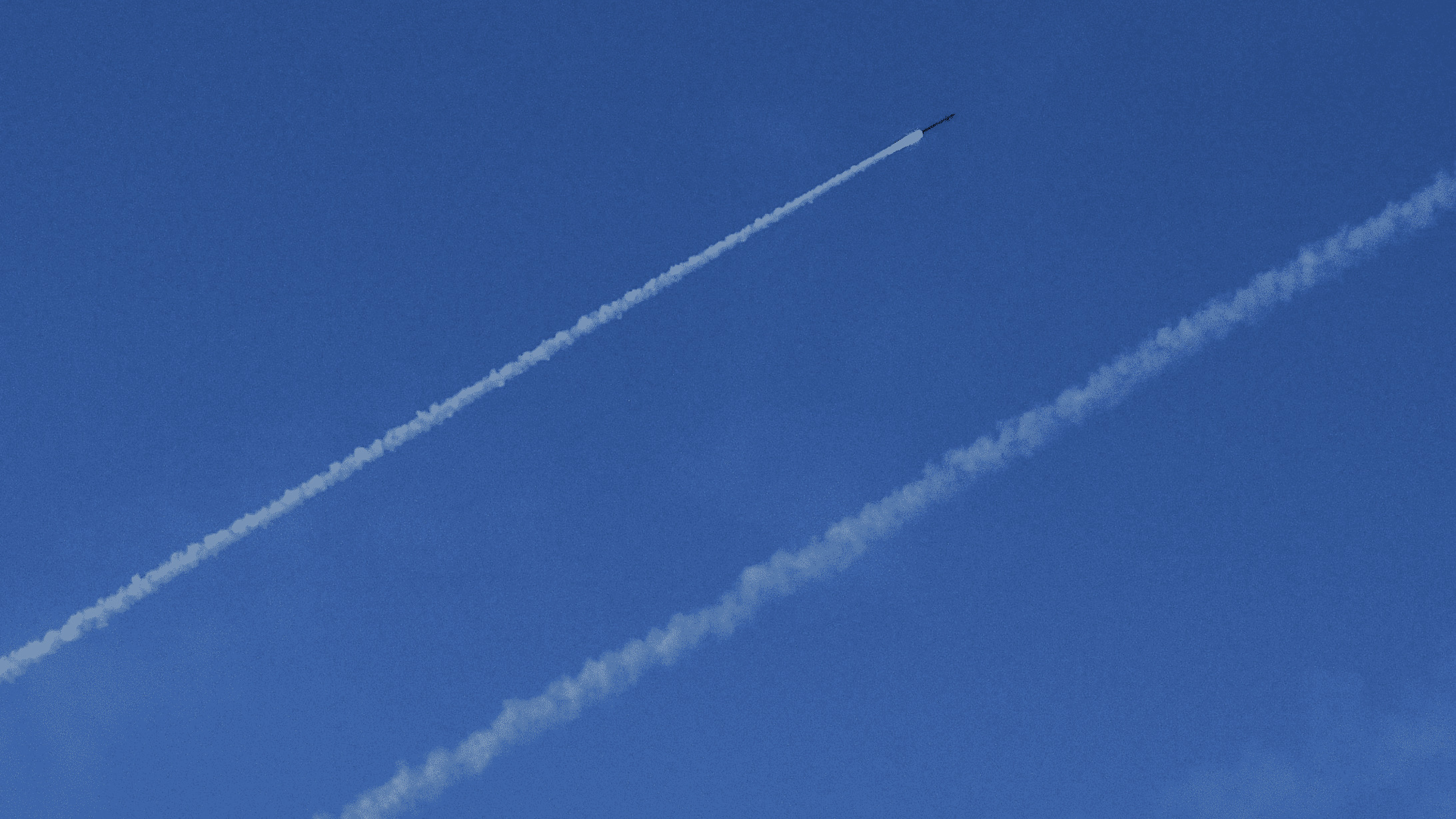
In addition to its homemade rockets, Hamas has been receiving Iranian Fajr-5 rockets with a range of 75 kilometres for the past two years. Iran also supplies Hamas with Russian Kornet anti-tank missiles. Some missiles of the same type are also believed to have been acquired in Libya.
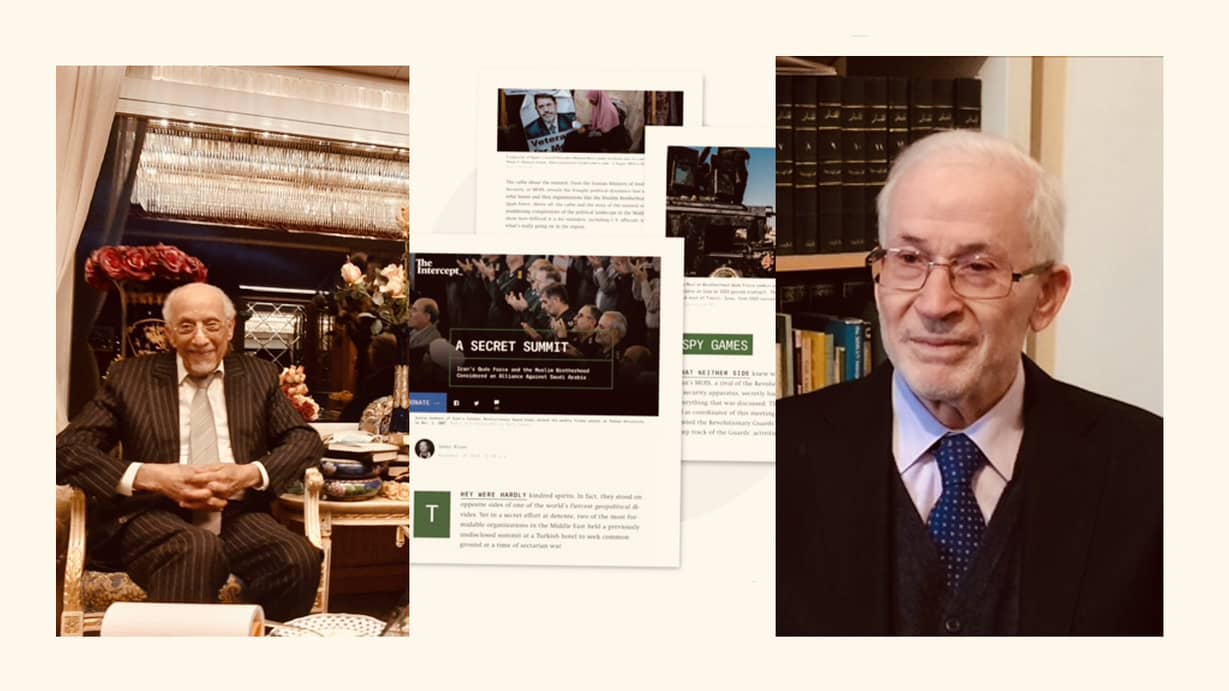
Rien ne prédestinait la Force Al-Qods, unité d’élite du Corps des Gardiens de la révolution iranienne (Pasdarans) et l’Organisation mondiale des Frères musulmans à se rapprocher. Pourtant, des documents issus des archives secrètes du ministère iranien du Renseignement révèlent l’inconcevable : des tractations ont bien eu lieu entre ces deux organisations, d’apparence rivales, pour faire face à leurs ennemis communs.
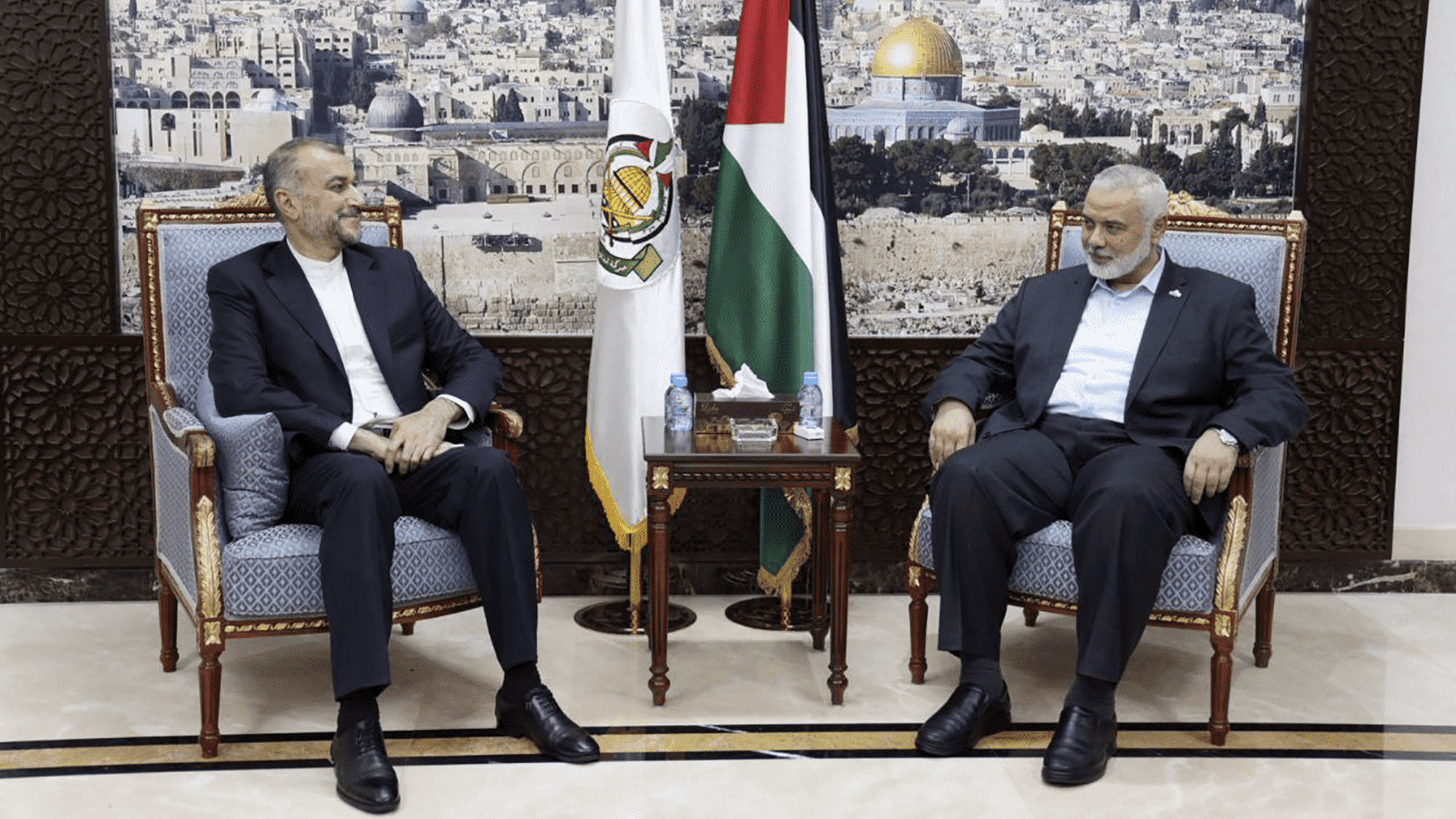
Iran is clearly behind the Hamas terrorist attacks on Israel on 7 October. Beyond the traditional Sunni-Shiite divide, the Iranian mullahs and the Palestinian Islamist movement have one thing in common: the Muslim Brotherhood and its doctrine of political Islam. Here are some explanations.
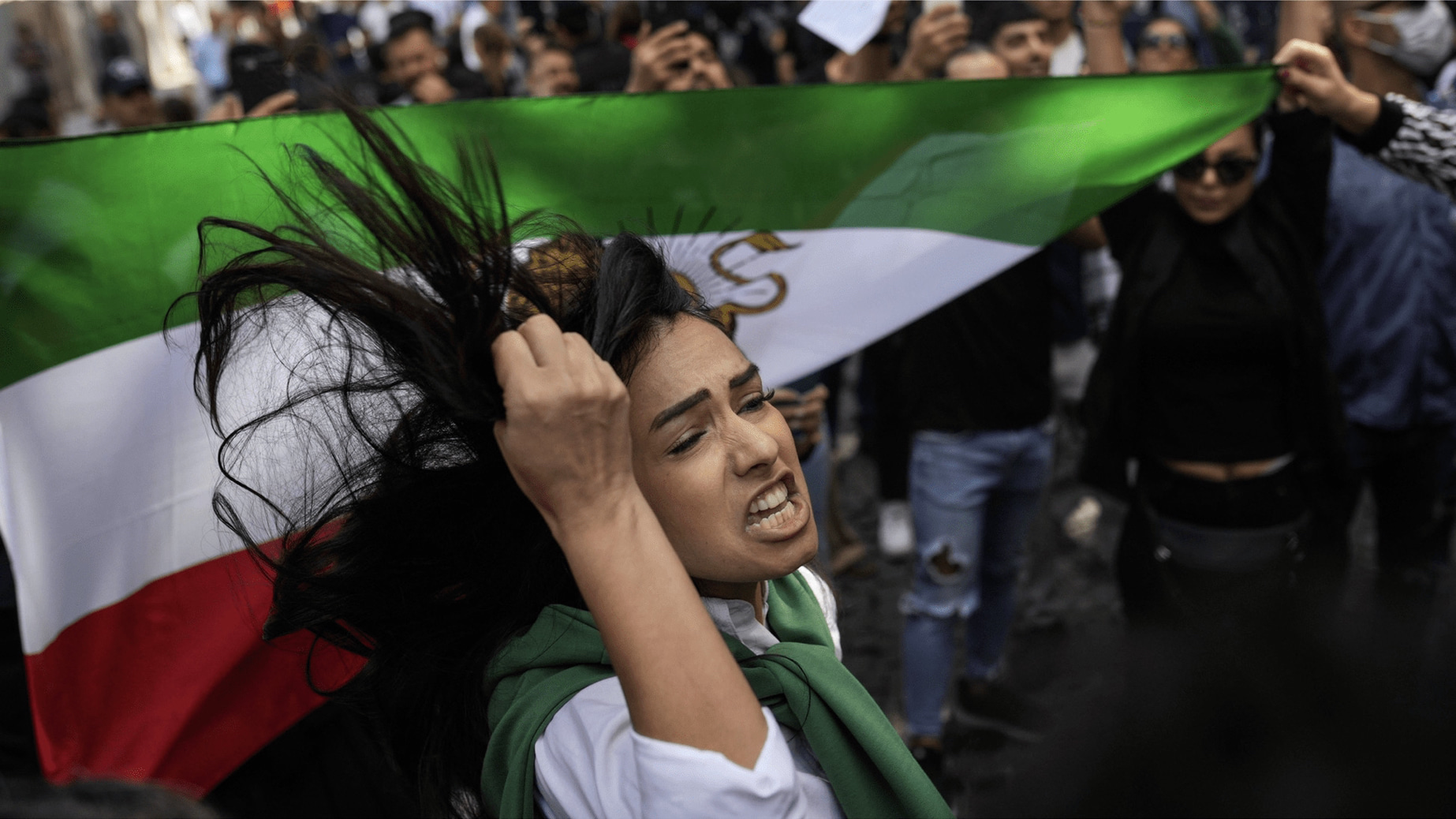
In Iran, feminist demands are at the root of the popular mobilisation against the Mullahs’ regime. By removing or burning their veils in public, Iranian women are showing their opposition to an ageing and worn-out theocracy. As the first victims of oppression, they know better than anyone the extent to which the Islamic Republic has made this object one of its ideological pillars, relegating women de facto to the rank of inferior beings.
