

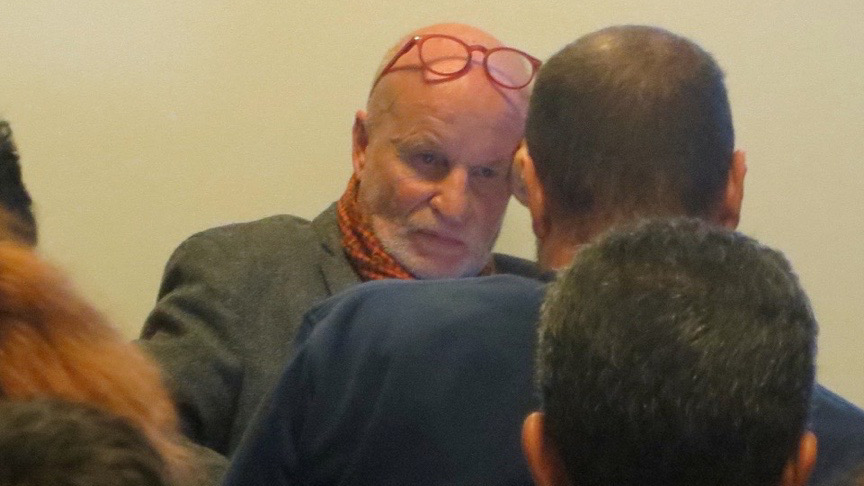
How did the scandalous idea, carried by the Muslim Brotherhood’s French relays, encourage Muslims in France to present “community lists” to the next municipal elections? Three weeks before the big community march on November 10, the kick-off of this campaign to “knock on the ballot” took place within the walls of CAREP’s Paris headquarters, the main and most influential Qatari Think-Tank. A story of skillfully orchestrated lobbying….
Chairman of the Arab Center for Research and Policy Studies (CAREP) in Paris, an organization funded by Qatar, François Burgat calls on Muslims to express their opposition to the “French stance against radicalization” at the polls.
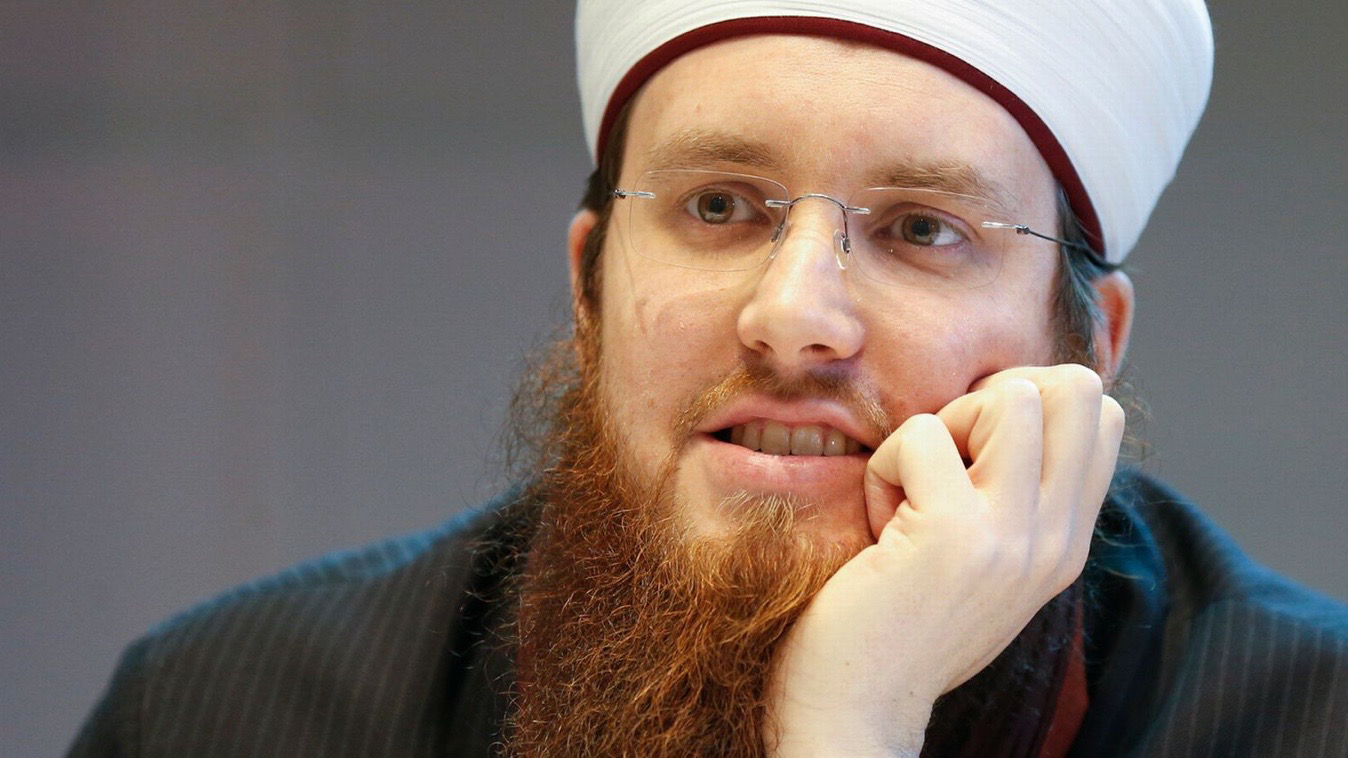
After the Swiss Tariq Ramadan, implicated by several complainants who accuse him of rape, Nadia Karmous and now Nicolas Blancho, Qatar is apparently making a serious self-examination. The gas Emirate is, in fact, forced to separate from many personalities linked to the Muslim Brotherhood who have not failed ideologically, but whose negative image shocks the country and its sovereign.
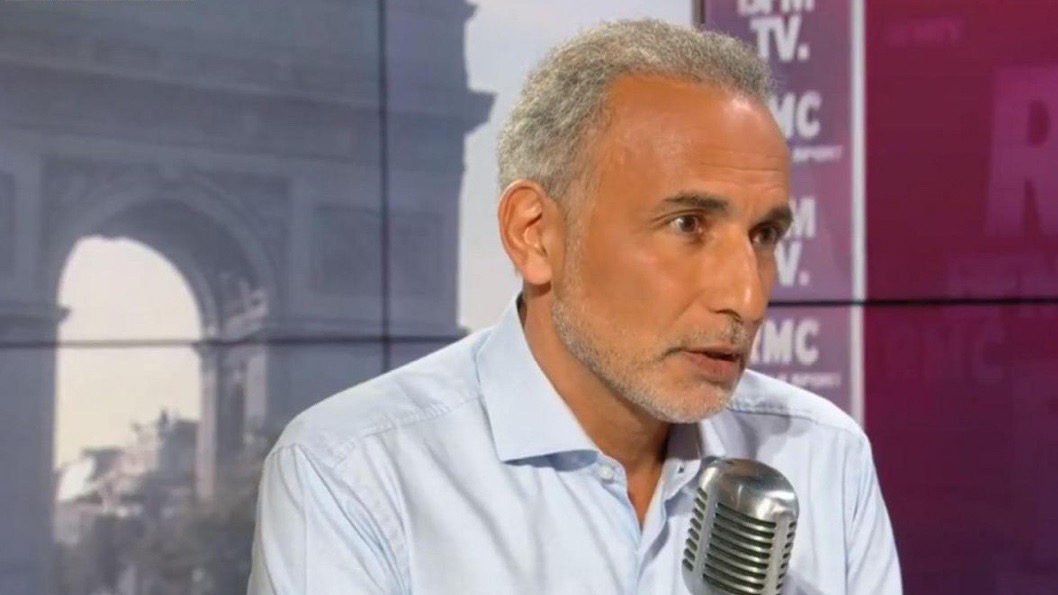
Ali Bin Jassen Al Thani, the ambassador of Qatar to Paris since October 2018, has taken Tariq Ramadan’s threats against the emirate very badly, suggesting that he may reveal to the media his past links with the gas emirate.
This summer 2019 will have been the season of all extremes for Qatar.
It all began on June 20, with an investigation by the Wall Street Journal revealing that one of Al-Qaeda’s most famous silversmiths, Khalifa al-Subaiy, who was notably the financier of the “September 11 brain”, continues to carry out his activities as a “patron of terror”, protected from the high protections he enjoys within the Qatari establishment.
Then the scandals broke out.
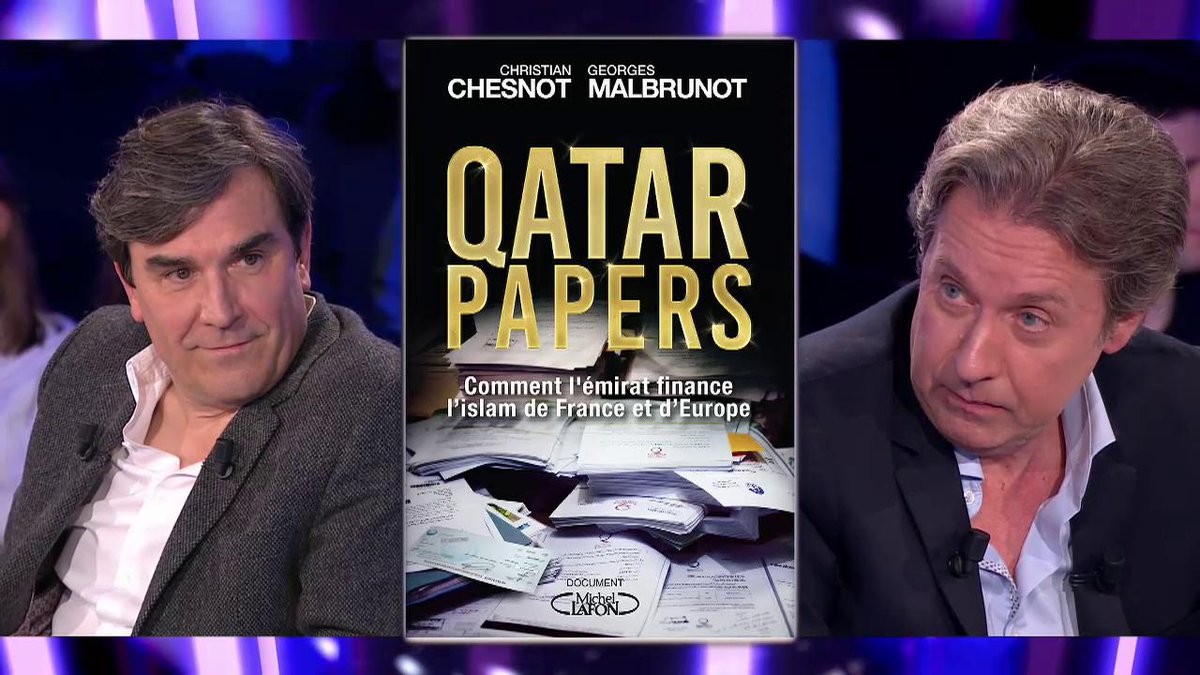
After having tried, in vain, to hinder the distribution of the book “Qatar Papers” by Christian Chesnot and Georges Malbrunot, by mobilizing Arab scholarship students to massively buy the book, Qatar is trying to contain the audience of the documentary from the same book.
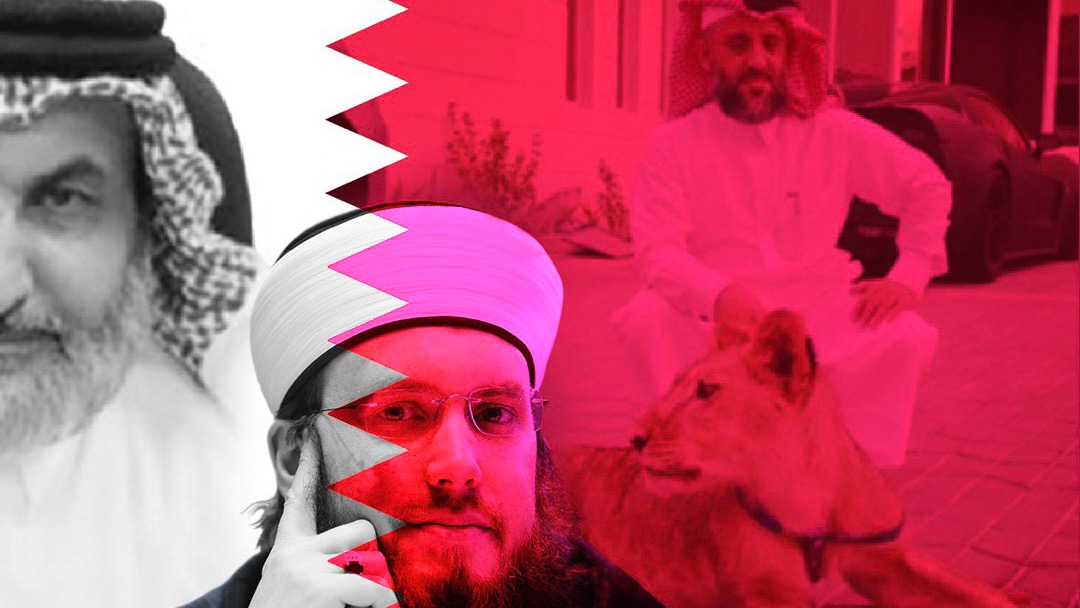
Despite the denials of the Qatari authorities, which are trying to deny any involvement in the financing of terrorism, scandals have multiplied, and revelations have followed one another since the beginning of the summer, bringing a surprising amount of documents and evidence that overwhelm the gas emirate. Revelations that splash on many local businessmen and dignitaries, but also prominent members of the princely family, including Fahad bin Hamad bin Khalifa al-Thani, one of the brothers of the current Amir, Tamim bin Hamad bin Khalifa al-Thani, and former Prime Minister Hamad bin Jassim al-Thani, close advisor and business associate of former Emir Hamad bin Khalifa al-Thani….
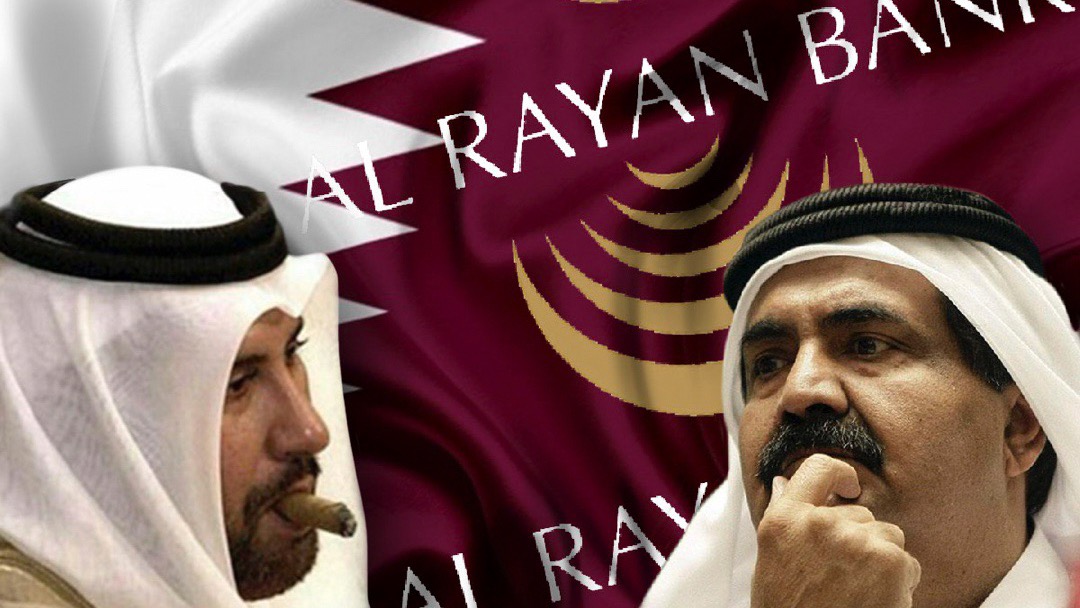
For a long time, the Doha authorities’ defence strategy, faced with increasing revelations about the involvement of many Qatari dignitaries in terrorist financing scandals, has been to describe them as individual initiatives that do not represent the government.
For years – and until recently – a good half a dozen Qatari individuals were funding al-Qaeda in Iraq in Syria or the Shebab in Somalia. For the purposes of our investigation, on the book published with my colleague Christian Chesnot (Nos très chers émirs, sont-ils vraiment nos amis), we met in 2016 one of these terrorist financiers, Sheikh Abd Al-Rahman bin Omer al-Nuaimi in Doha, who has been on the European Union and United States black lists since 2014.