



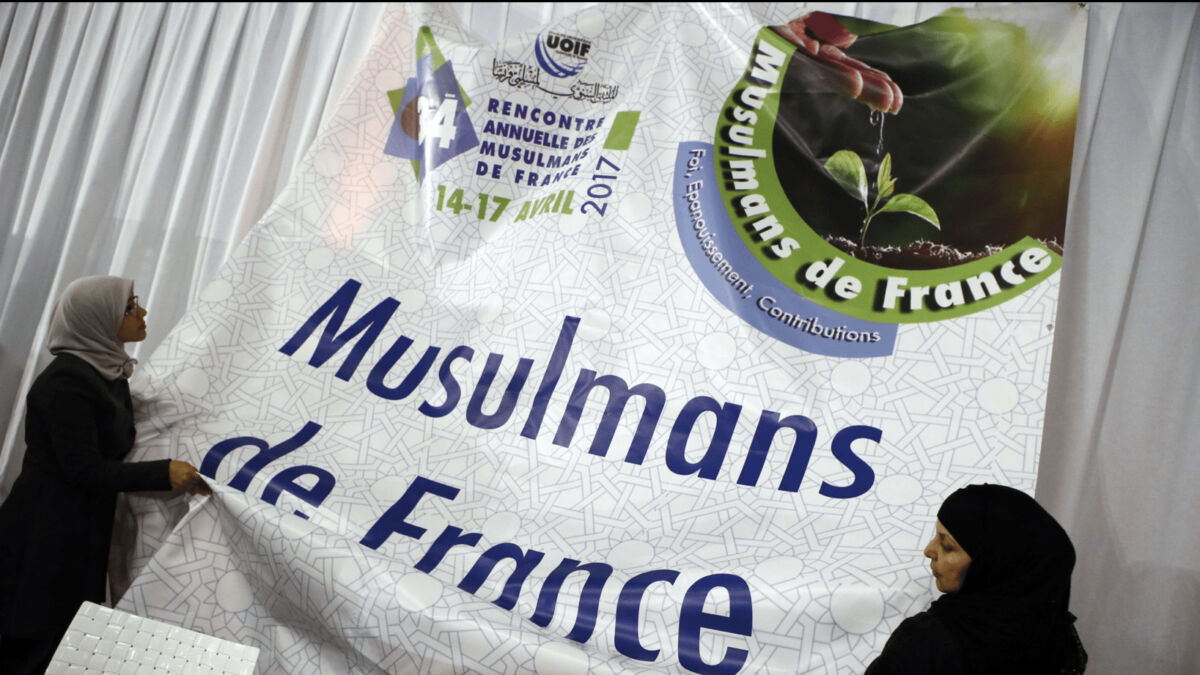
When the people point out the real problems, the politicians blithely point their accusing finger!
Thus, in a recent poll conducted during the presidential election campaign (Ifop for Global Watch Analysis), 85% of French people expressed the wish to see the “future president” tackle head-on the rise of Islamism and communitarianism by banning Islamist organisations in France linked to the Muslim Brotherhood, Salafism, the Turkish Milli Görüs and other Tablighs.
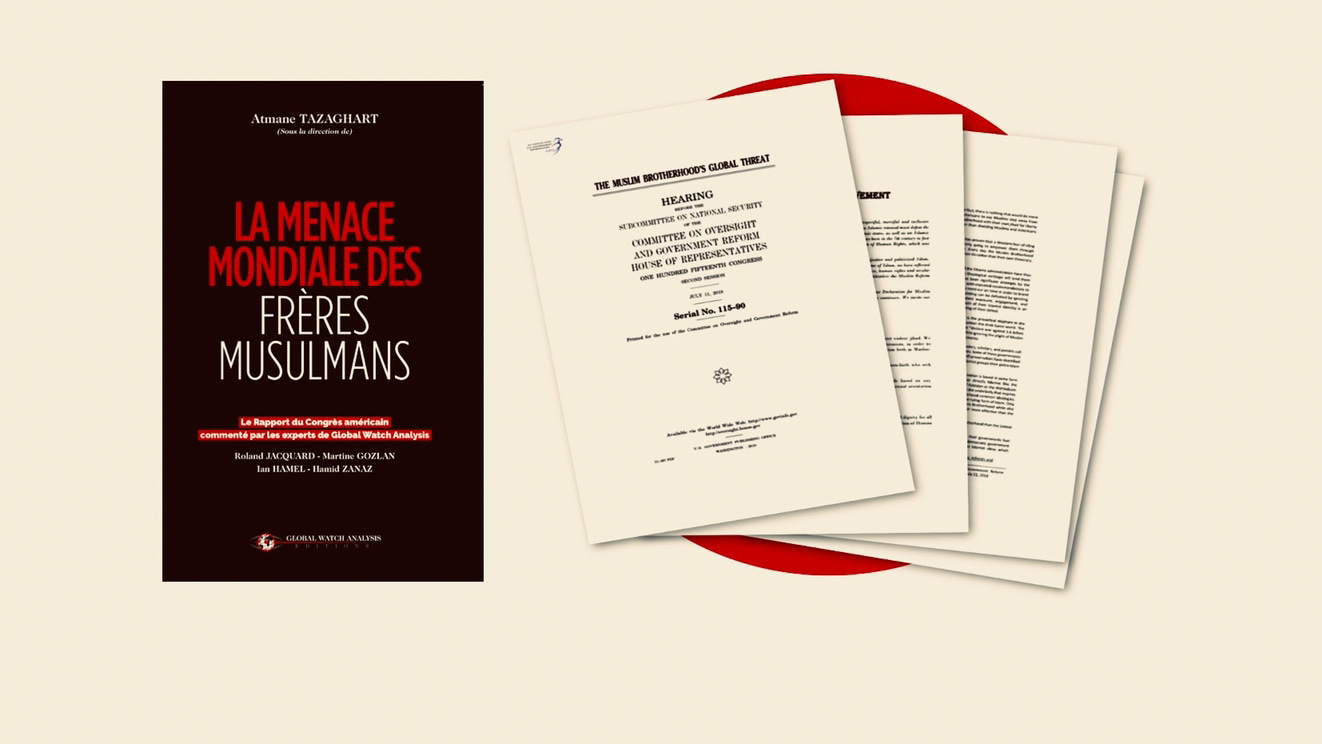
The July 2018 report by the US Congressional Subcommittee on National Security is the most important and comprehensive official Western document on the global threat posed by the Muslim Brotherhood. It sheds unprecedented light on the secret ramifications of the Brotherhood, which is considered to be the mother house of contemporary Islamism, its tentacles in more than 70 countries around the world, and its supremacist dogma, which aims to establish Islamist world domination through a global “Islamic state”.
Issues related to Islam are at the heart of the presidential campaign. In addition to the growing fears caused by the terrorist threat, since the jihadist attacks of 2015, there has been a widespread awareness of the dangers that can arise from communal and separatist excesses.
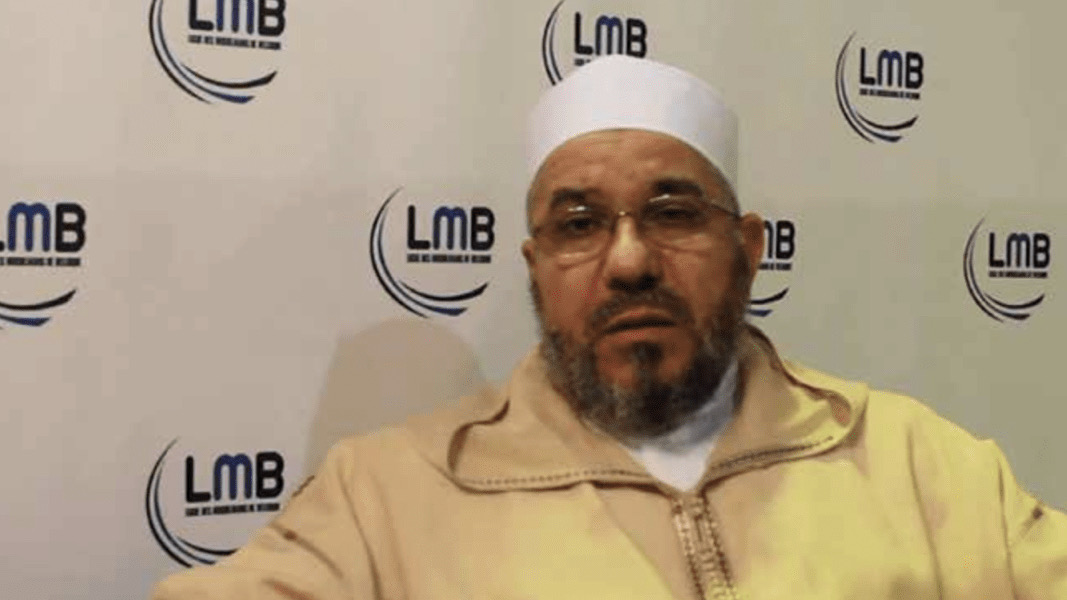
Imam Mohamed Toujgani is affiliated to the Council of Theologians of Belgium, a very opaque organisation, close to the Executive of Muslims of Belgium (EMB). The other Muslim organisations in Belgium accuse the members of this executive of being co-opted in a “nepotistic manner”. Its board is currently chaired by Imam Tahar Toujgani, Mohamed’s cousin, who is also head of the European Council of Moroccan Ulemas.
The imam of the famous al-Khalil mosque in Molenbeek, Mohamed Toujgani, is now banned from Belgium for 10 years. He was on holiday in Morocco when the official announcement was made that he was not allowed to return to Belgium.
The local press widely reported the tug of war between him and the Belgian Secretary of State for Asylum and Migration, Sammy Mahdi, who initiated the procedure for banning the Molenbeek imam, following a report by the Belgian State Security Service describing him as “a danger to national security”.
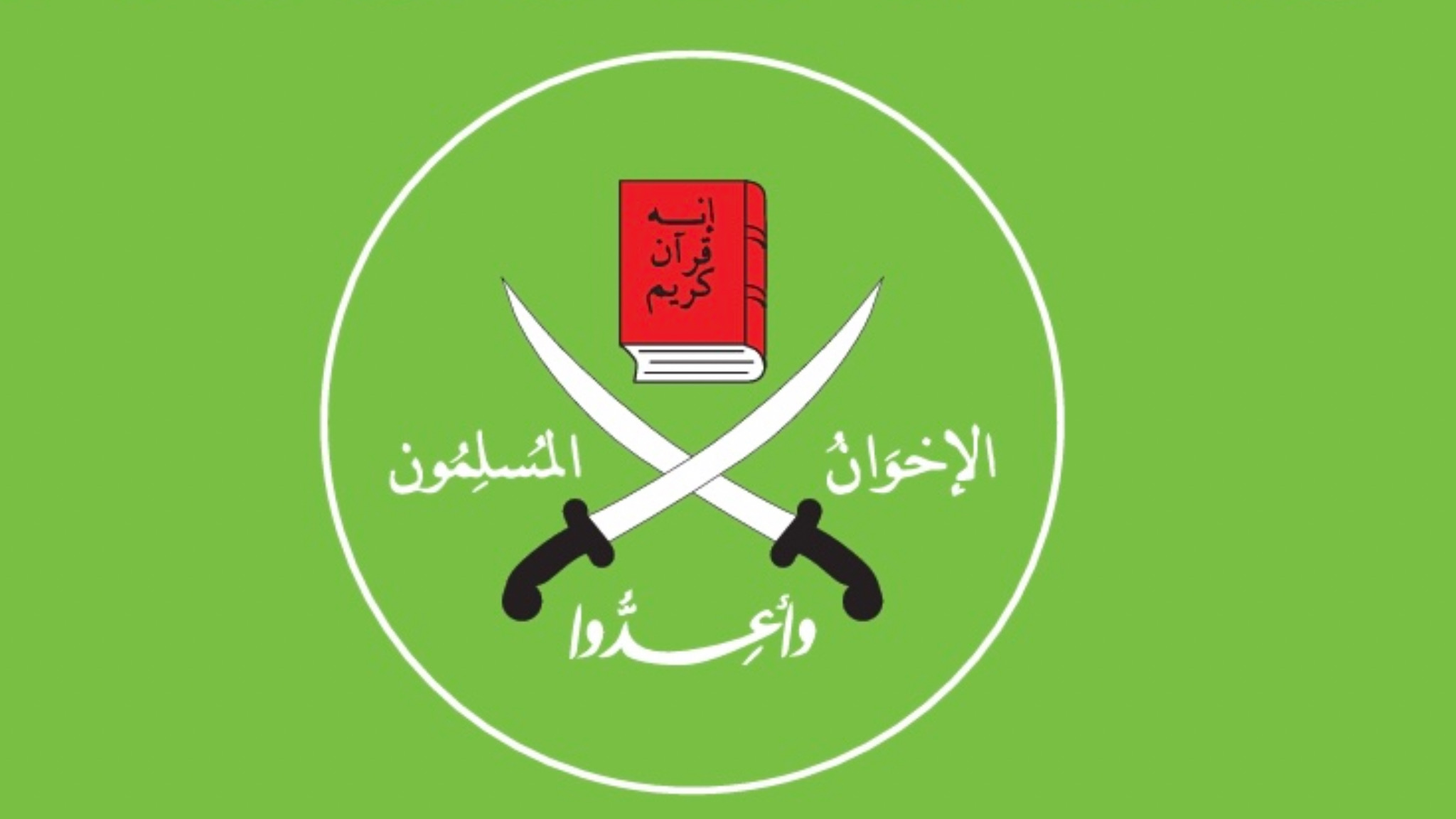
According to an exclusive poll (IFOP for our monthly Screen Watch), carried out from February 22 to 28, 2022, on a sample of 3,007 people aged 18 and over, on the means of fighting against Islamism, 85% of French support the proposal, put forward by several presidential candidates, aimed at “banning Islamist organizations linked to the Muslim Brotherhood and all the movement linked to it”.
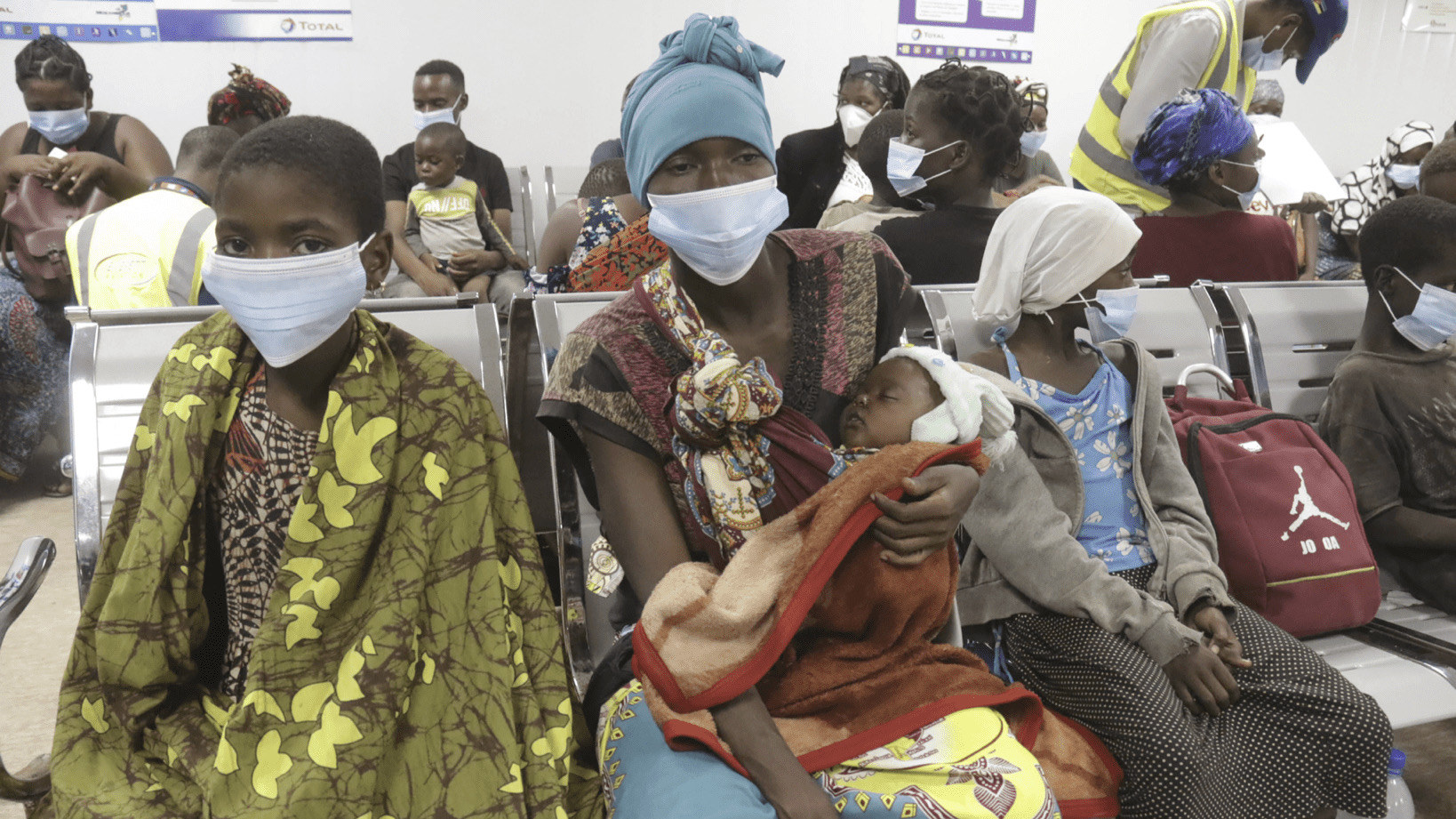
For several years, radical Islamists have been carrying out deadly raids in northern Mozambique. They sometimes venture into southern Tanzania. Their attacks kill hundreds of people and force tens of thousands to flee the region. Affiliated with the Islamic State, the Shabab managed to occupy the port of Mocimboa da Praia, with its 30,000 inhabitants, for almost a year and the town of Palma (75,000 inhabitants) for a month before being driven out. This move led to the withdrawal of the French group TotalEnergies, which was ready to invest several tens of billions of dollars in a very large gas project near the town of Palma. For a decade, Mozambique has been presented as a future gas Eldorado.
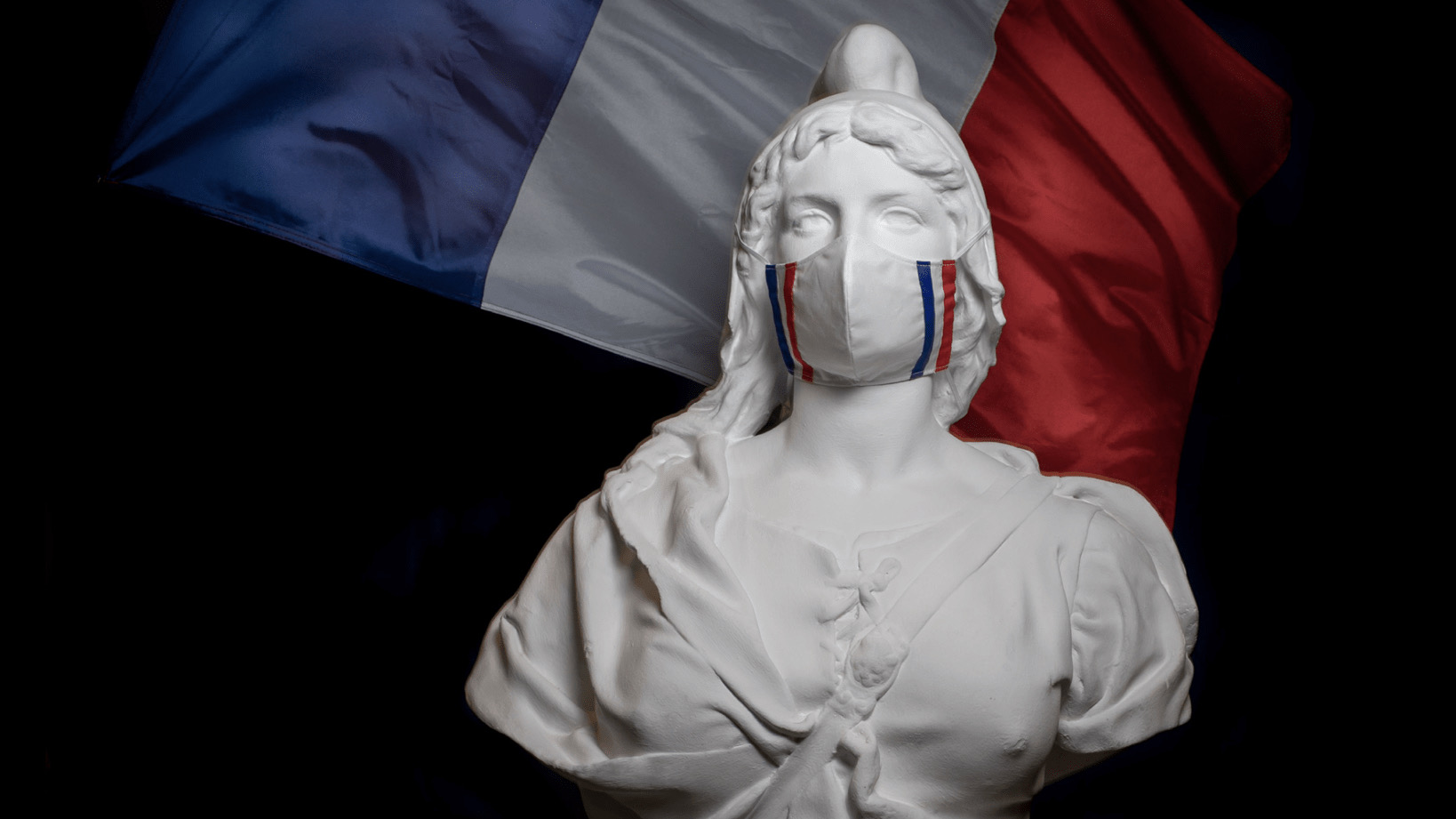
Who would have thought it? The Republic, which nevertheless removed religion from the political field and invented secularism, is gradually succumbing to pressure from Islamists of all stripes, who are trying to test its reaction to the systematic pressure to impose their moral dictatorship by attacking freedom of conscience, and even freedom itself.
The enemies of Western civilisation are working day and night for one goal: to bring down this political modernity and its positive laws and to apply Islamic law first in Muslim-majority neighbourhoods and then throughout Europe. Will Europeans thus become dhimmis in their own land in the coming decades?
For a long time, the international branch of the Muslim Brotherhood has benefited from the benevolence of the authorities and the largesse of the legislation on political asylum in European countries.
For almost half a century, a double aberration prevailed in this respect. First of all, there was the glaring semantic contradiction known as “moderate Islamism”. For how can one be “moderate”, or even tolerant, while claiming a divine truth that is impervious to any criticism or examination of conscience?
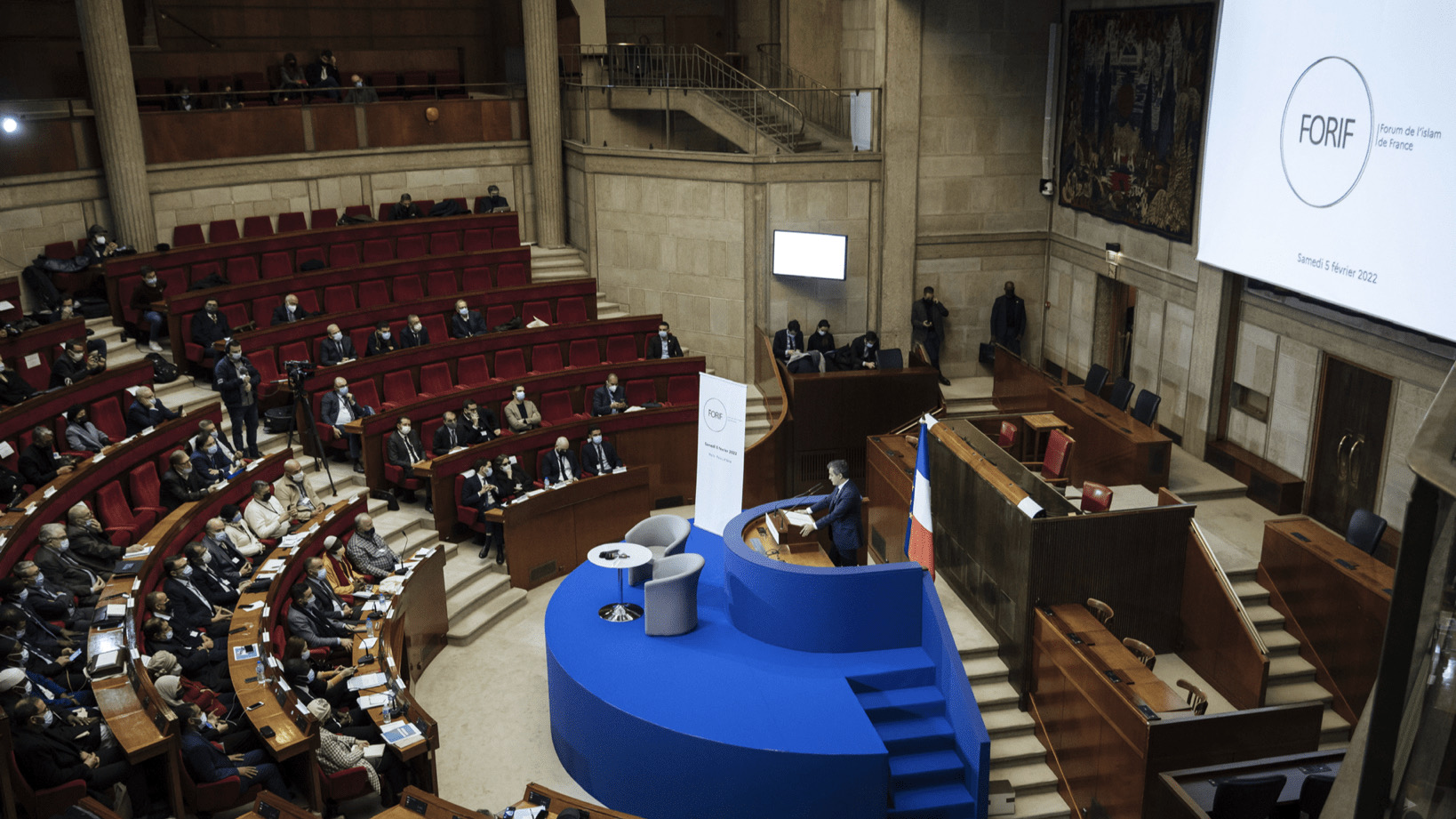
The issue of the organisation of Muslim worship in Europe is not new. It is linked to many aspects, including cultural, national and linguistic ones. Since the end of the 1980s, public authorities in several European countries have been urging Muslim leaders to manage their faith. But the institutions designed to organise the Muslim faith remain unstable and unrepresentative.
