



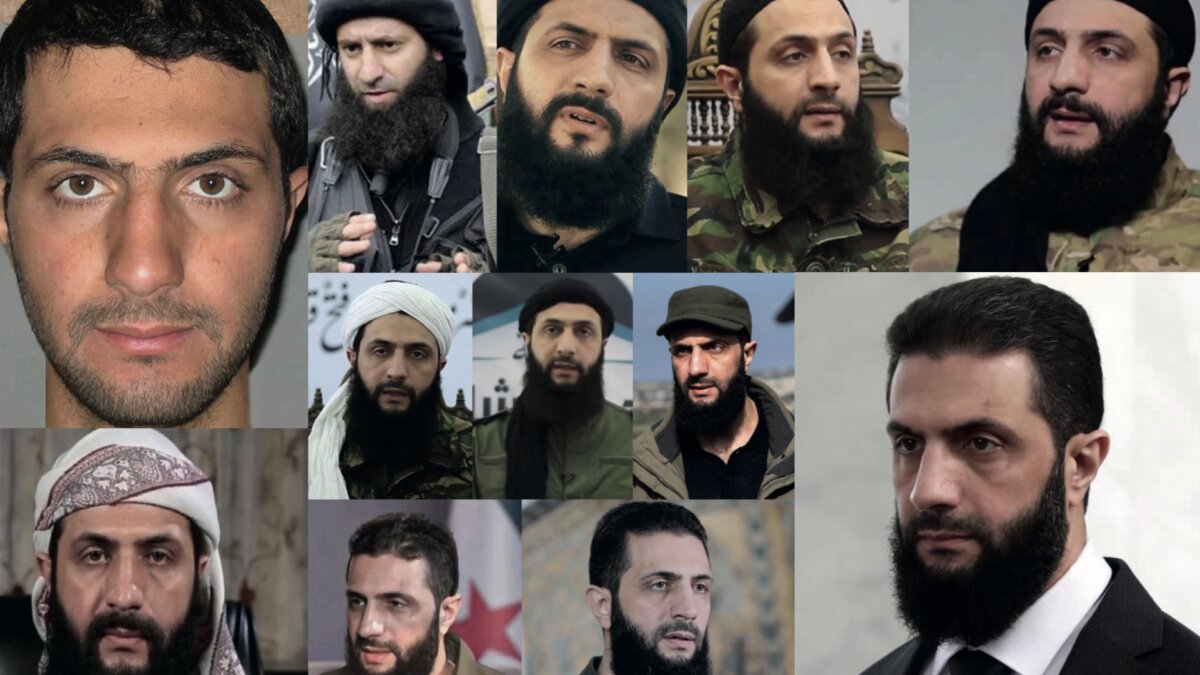
The new master of Damascus, Ahmed al-Charaa, alias Abu Mohammad al-Joulani, welcomed with honors at the Élysée Palace! On the eve of the 80th anniversary of the Nazi surrender, Emmanuel Macron chooses to make Paris the first Western capital to embrace the former jihadist leader who seized power by force, following the flight of Syrian dictator Bashar al-Assad in December 2024.
In an effort to appear “moderate,” the new Raïs abandons his war name (Abu Mohammad al-Joulani), removes his jihadist turban to don military fatigues—long enough to pose as the military leader of the “liberation” (Tahrir)—before trimming his beard in Muslim Brotherhood style and appearing in a suit and tie once he is inaugurated as “President of the Syrian Arab Republic.” His investiture came not through ballots, but through Bay’a—the oath of allegiance—given by the various armed factions that took part in the anti-Assad uprising, during a “Victory Congress” held in Damascus on January 29, 2025.
By receiving this controversial figure—while the jihadist militias of the organization that brought him to power (Hay’at Tahrir al-Sham) continue to commit abuses against Alawite, Kurdish, and Druze minorities—the Élysée is choosing to lend credibility to the fiction that after two decades of jihadist activism (in Zarqawi’s network, the Islamic State in Iraq, and al-Qaeda), al-Joulani has, in just six months of rule, transformed into a “moderate” politician, committed to democracy, pluralism, and… inclusion!
Laurent Fabius must be turning in his hospice bed—he who, as Minister of Foreign Affairs in 2012, famously said that “Jabhat al-Nusra” (al-Qaeda’s Syrian branch, founded and led by Syria’s current president) was “doing a good job”…
Who really is Ahmed al-Charaa, aka Abu Mohammad al-Joulani? Has he truly renounced jihadism? Will his presidency be the start of a pluralistic regime? Or is it merely the prelude to a new form of despotism, replacing Baathist authoritarianism with radical Islamism?
A seven-part portrait of a true chameleon, who has spent the past two decades constantly shifting both appearance and ideological allegiance…
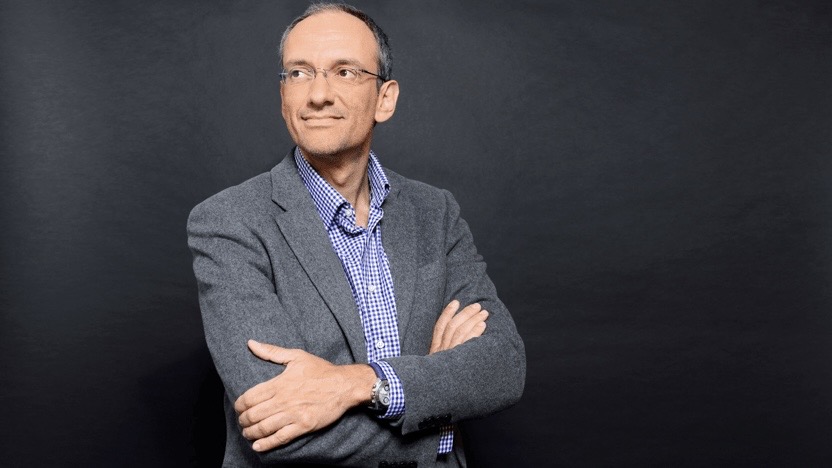
Geopolitician and essayist Frédéric Encel analyzes the repercussions of the new shockwave shaking the Middle East after the fall of the Assad regime in Syria and the rise to power of an Islamist coalition led by Abu Mohammed al-Joulani, a former figure of ISIS and al-Qaeda.
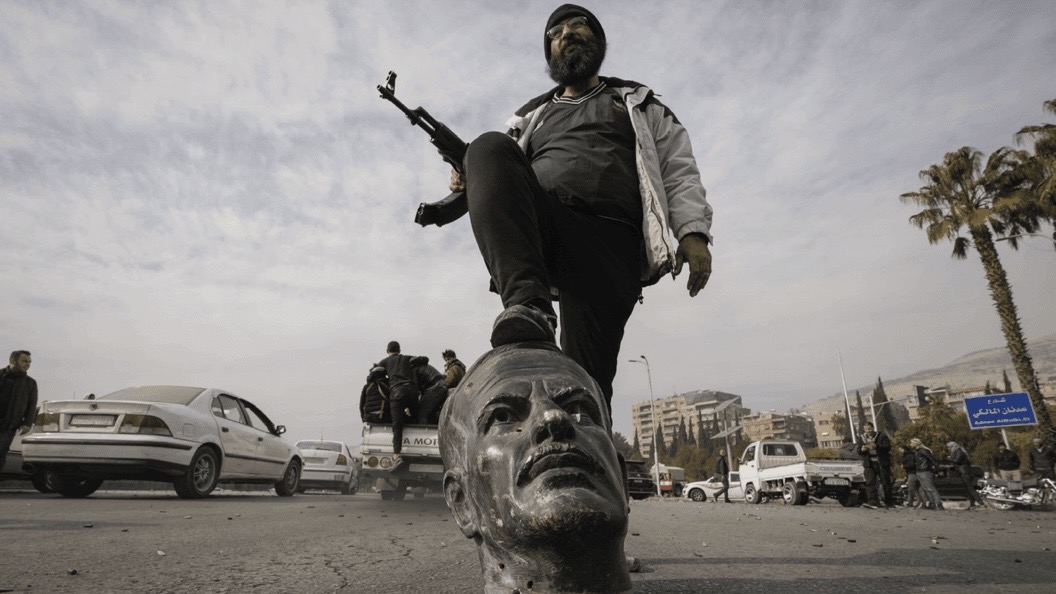
The revolution is underway in Damascus. Once again, in the Arab world, history takes a dramatic turn, and the Syrian people hold their breath. Bashar al-Assad has fled the country, and Islamists have seized power. What lies ahead? The battalions led by Abu Mohammed al-Joulani, a former jihadist of ISIS and then al-Qaeda – whom he allegedly parted ways with in 2016 – thank Allah from the Umayyad Mosque in Damascus, a radiant symbol of Sunni Islam. These images will go down in history, though no one knows how it will unfold.
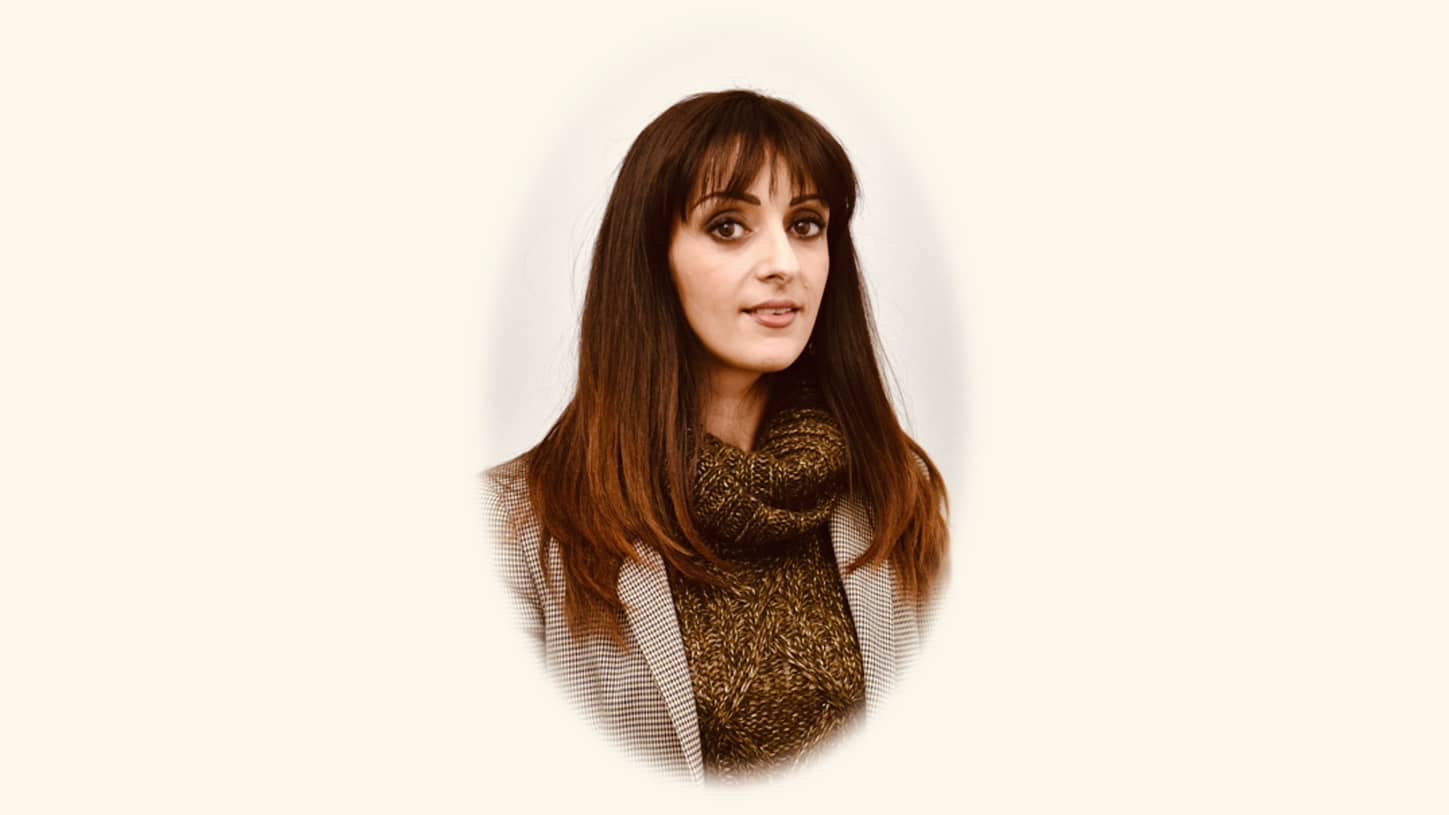
Sociologist, Iranologist and political scientist on the contemporary Muslim world, Amélie Myriam Chelly is the acclaimed author of an excellent Dictionnaire des islamismes (Éditions du Cerf, 2021). She has just published, with the same publisher, a “documentary novel” entitled “Le Coran de sang”. Interview.
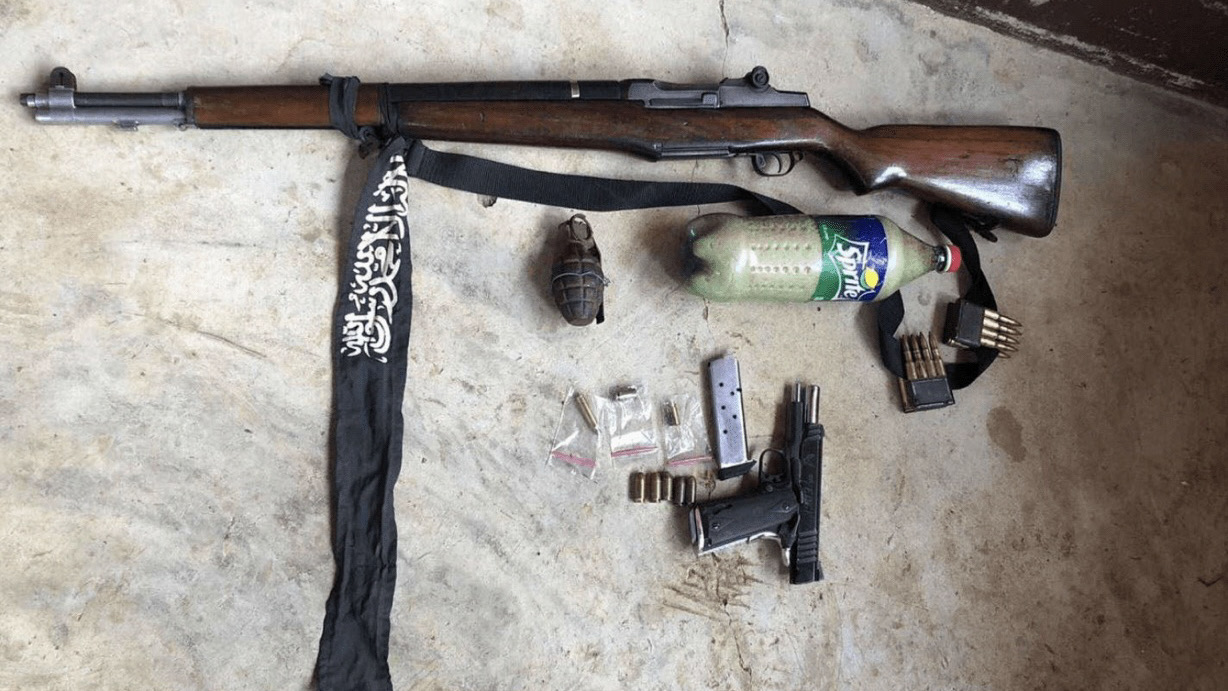
Deprived of its former bases in the Iraqi-Syrian areas, ISIS is retreating into the Internet. A trend accentuated by the Covid-19 pandemic, which incites the terrorist organisation to intensify its online activity.
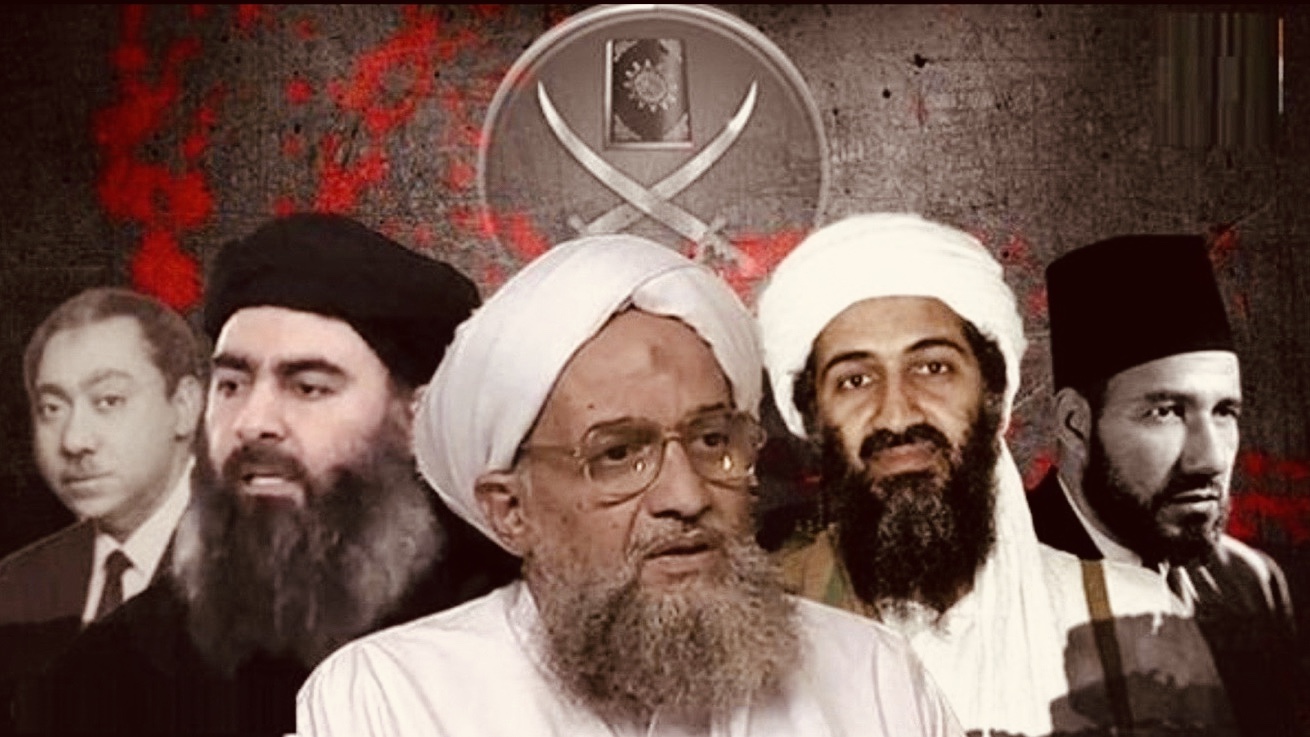
Let’s say it outright, the only difference between the brotherhood of the Muslim Brotherhood and ISIS is the method. The end remains the same: to apply the Islamiya Sharia, the Islamic law, and to re-establish the caliphate, by appointing a caliph in the Islamic way, without a vote. Once this is done, they work on Islamising the existence and dominating the world. Thus, two fundamentalist entities do each other favours often consciously, sometimes unconsciously.
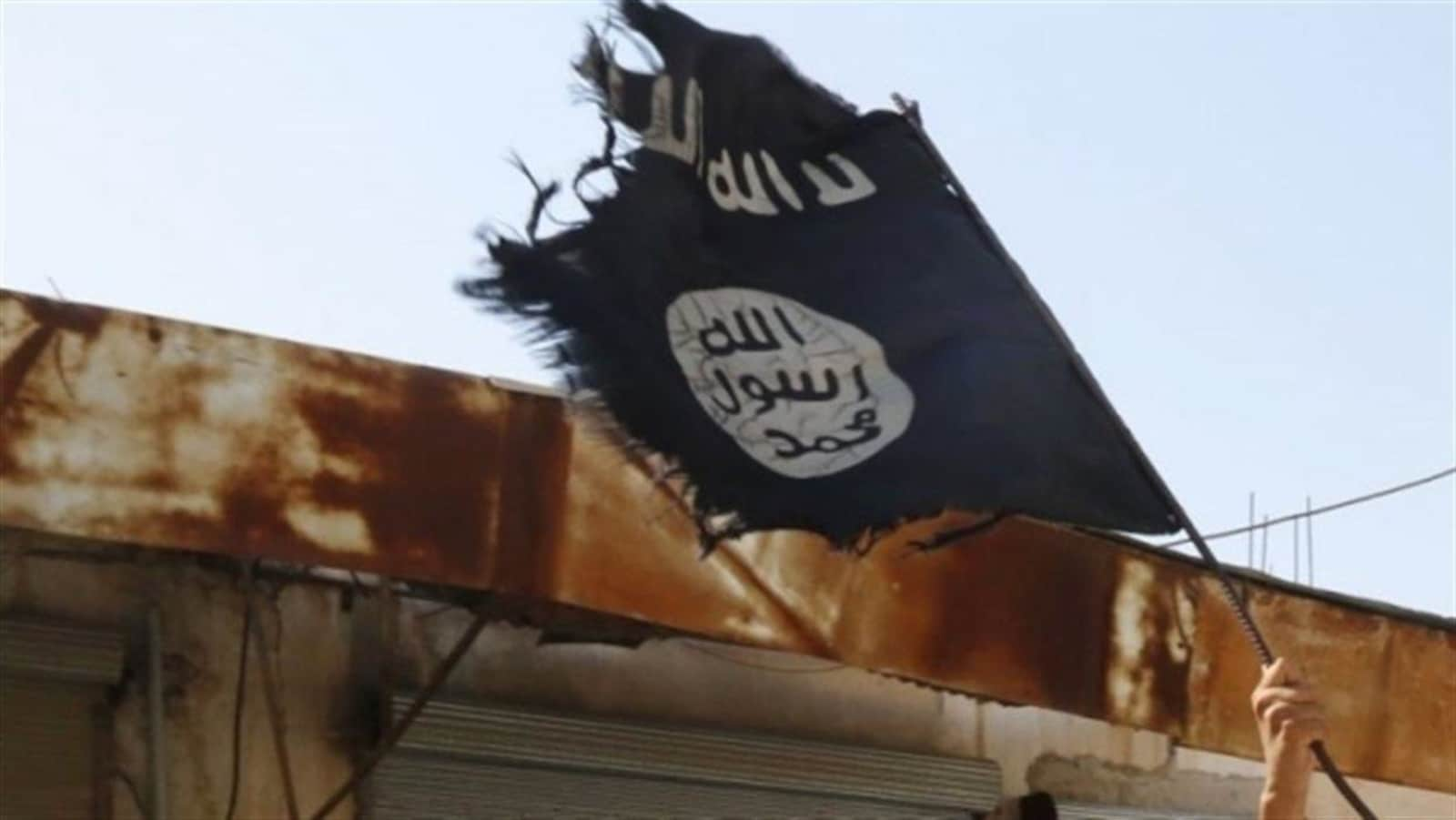
According to a UN report, ISIS still has an estimated $30-45 million war chest. The report states that this is mainly cash, but notes that some of it has been converted into investments, via nominees, in Iraq, Syria and especially Turkey.
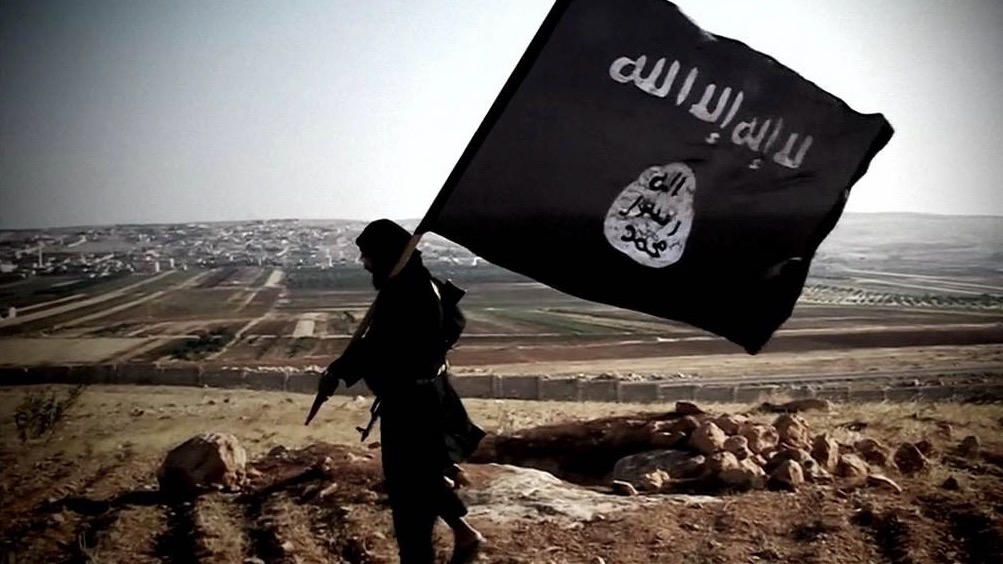
According to a report by the National Intelligence Council, submitted to President Macron, on the French ISIS fighters exfiltered from Syria, some 40 of them have joined jihadist groups in Libya. As a result of this geographical rapprochement, they are a major source of concern, as they could fuel plans for illegal returns to France.
The appointments at the head of ISIS, following the death of its “caliph”, Abu Bakr al-Baghdadi, and its spokesman, Abu Hassan al-Muhajir, confirm the growing control of AMNI, the former intelligence service of the Caliphate, over the terrorist organization’s governing bodies.
Far from having put an end to ISIS’s existence or even its power of nuisance, the death of its self-proclaimed caliph, Abu Bakr al-Baghdadi – killed on last October 27, during an operation by American special forces in northern Syria – will accelerate two trends in the making for several months, within the new Jihadist International: the first is structural, the second one is operational.
