



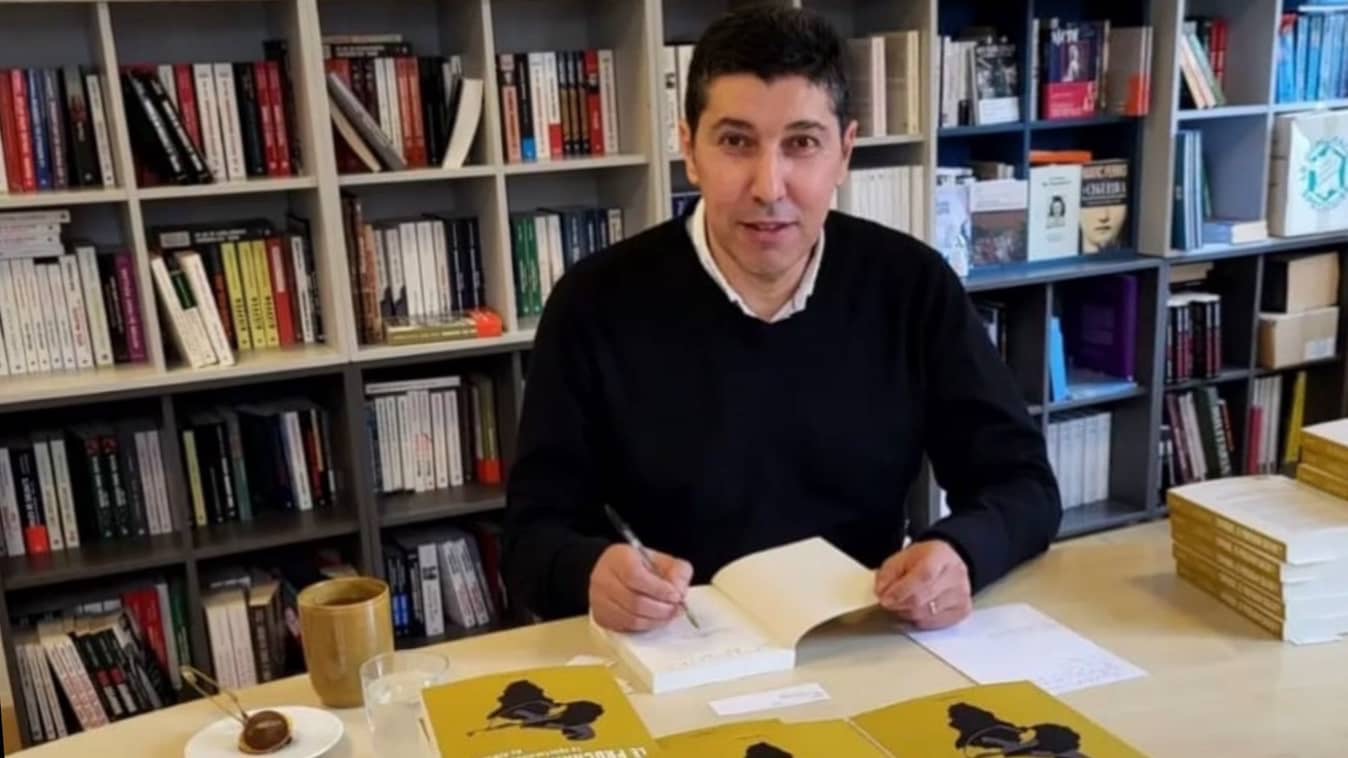
Luis Martinez is an eminent politician specialising in the Maghreb and the Middle East. He has been Director of Research at Sciences Po-CERI since 2005. A visiting professor at Columbia University in New York (2000-2001) and then in Montreal (2007-2008), he was an observer for the European Union in sub-Saharan Africa. He is the author of several books, including “L’Afrique du Nord après les révoltes arabes” (Les Presses de Science Po, 2019) and “L’Afrique, le prochain califat? La spectaculaires expansion du djihadisme” (Tallandier, 2023). Interview.

An internal World Bank report reveals that much of the development aid intended for the African continent in particular is diverted to offshore financial centres.
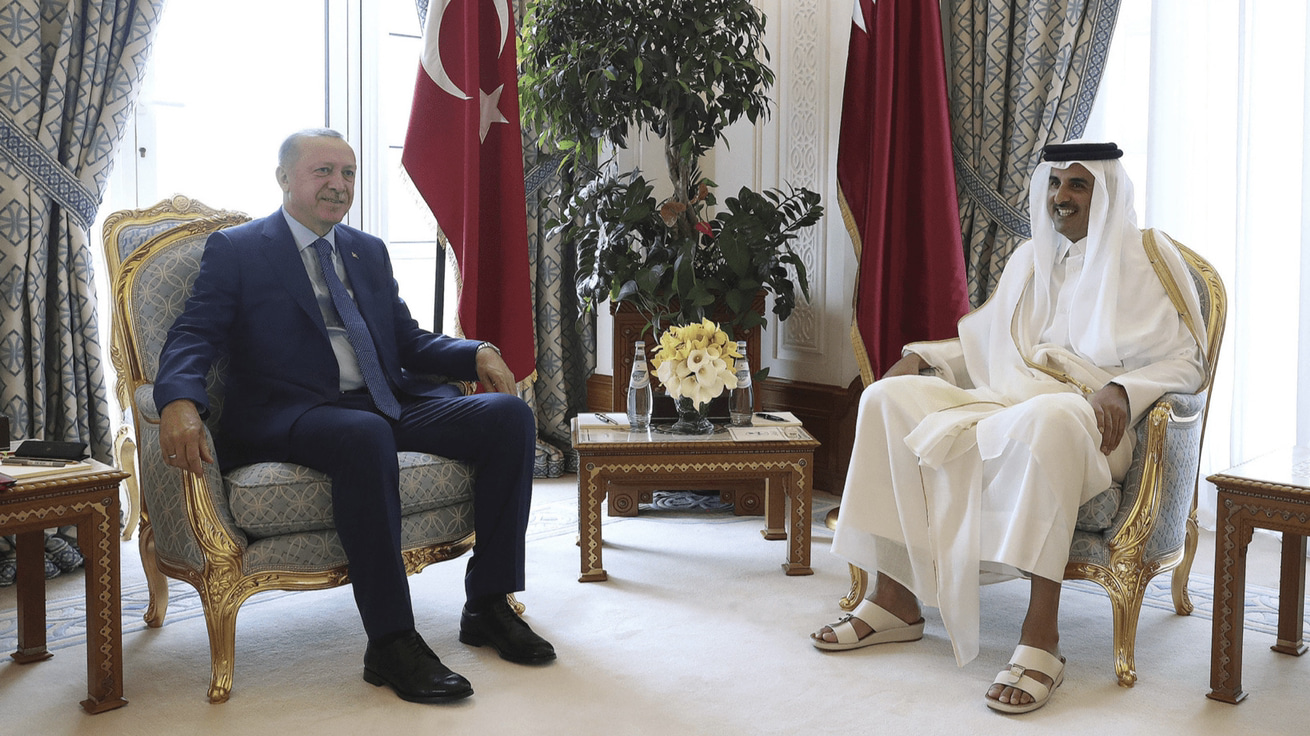
A recent meeting of the Turkish and Qatari secret services in Doha sealed a common strategy for the African continent. The plan has three components: economic investment, security and political-military cooperation.
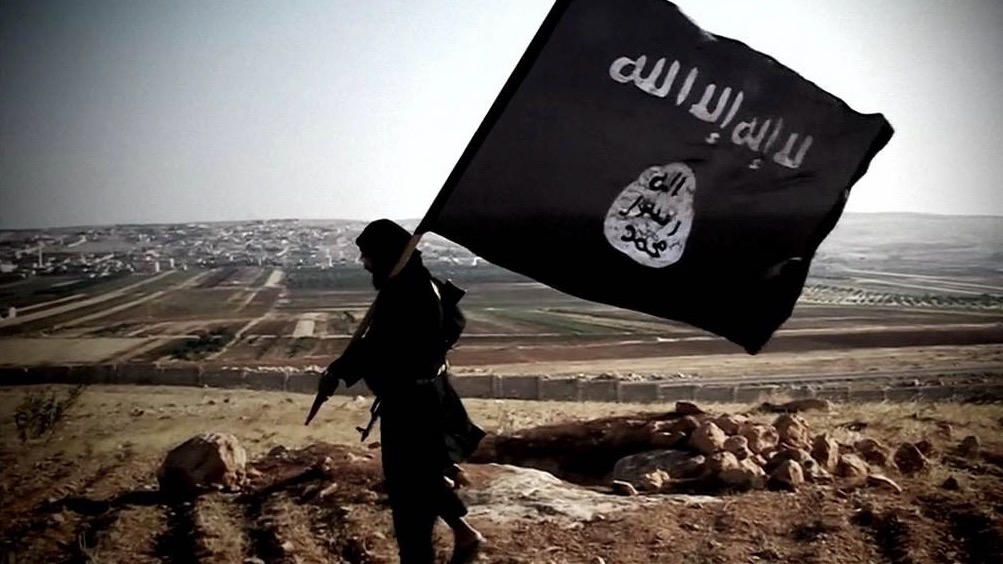
According to a UN investigation, jihadist groups in Africa have set up a new means of financing their terrorist activities through the trafficking of fake medicines. Mali is designated as the main hub of this juicy traffic.
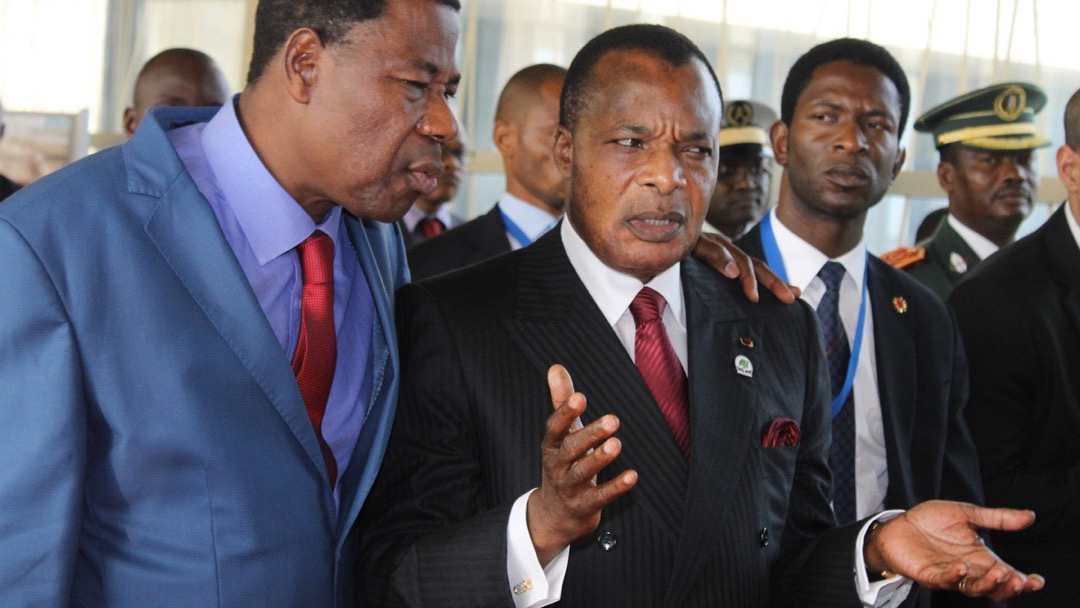
Terrorism continues to spread in Central Africa, particularly in Burkina Faso and Central African Republic, but also in Congo-Kinshasa. A regional instability that worries at the highest level the United States and the major European powers. And there’s a new challenge in central Africa, as a consequence of the antiterrorist fight.
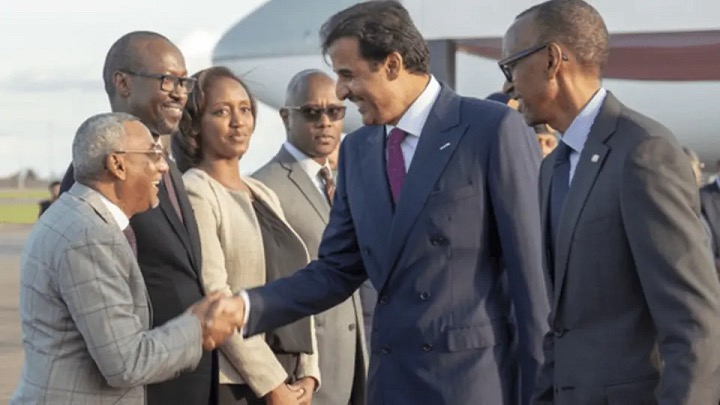
After having disappeared from the radar for years, particularly since the overthrow in October 2014 of the former Burkinabe dictator, Blaise Compaoré, of whom he was the “shadow adviser”, the Mauritanian Mustapha Oueld Limam Chaffi resurfaced as Qatar’s secret envoy.
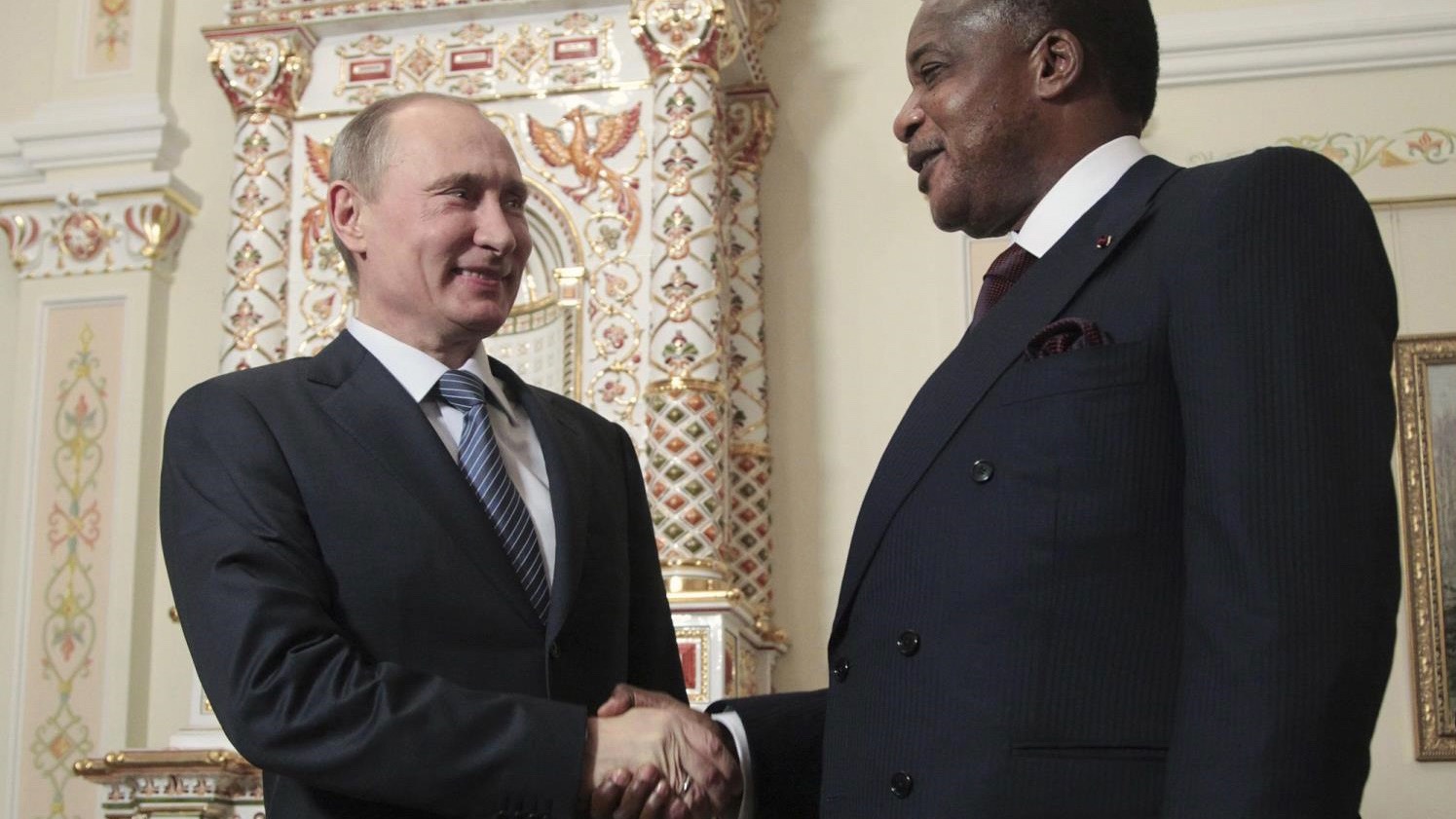
Russia is performing a great return to the African continent, through the strengthening of its diplomatic and military presence and of its economic investments.
