



Issues related to Islam are at the heart of the presidential campaign. In addition to the growing fears caused by the terrorist threat, since the jihadist attacks of 2015, there has been a widespread awareness of the dangers that can arise from communal and separatist excesses.
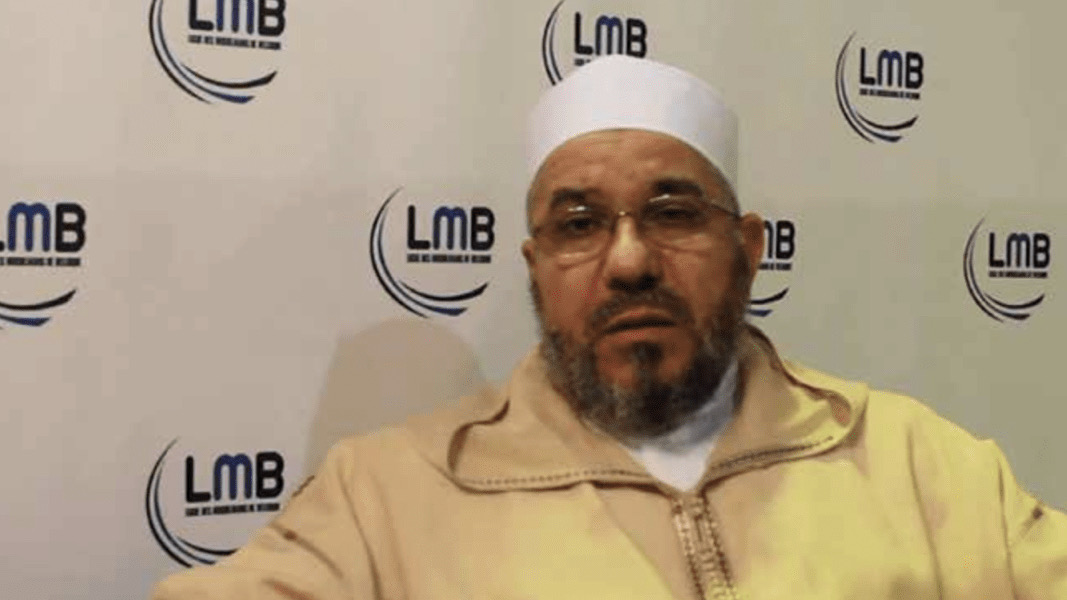
Imam Mohamed Toujgani is affiliated to the Council of Theologians of Belgium, a very opaque organisation, close to the Executive of Muslims of Belgium (EMB). The other Muslim organisations in Belgium accuse the members of this executive of being co-opted in a “nepotistic manner”. Its board is currently chaired by Imam Tahar Toujgani, Mohamed’s cousin, who is also head of the European Council of Moroccan Ulemas.
The imam of the famous al-Khalil mosque in Molenbeek, Mohamed Toujgani, is now banned from Belgium for 10 years. He was on holiday in Morocco when the official announcement was made that he was not allowed to return to Belgium.
The local press widely reported the tug of war between him and the Belgian Secretary of State for Asylum and Migration, Sammy Mahdi, who initiated the procedure for banning the Molenbeek imam, following a report by the Belgian State Security Service describing him as “a danger to national security”.
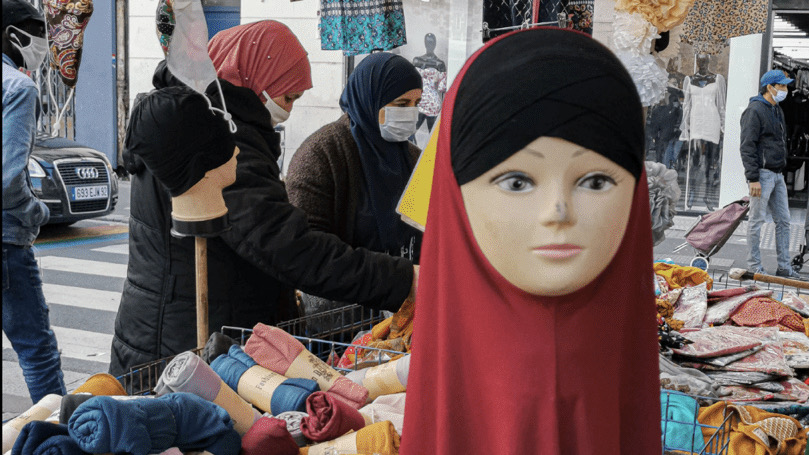
A majority of French people consider that, in the current presidential campaign, political figures talk too often about issues related
to Islam. But, who
are the most credible candidates? And which proposals meet with the most support concerning Islam, fight against Islamism and – more generally – the relationship between the State and religions in France?
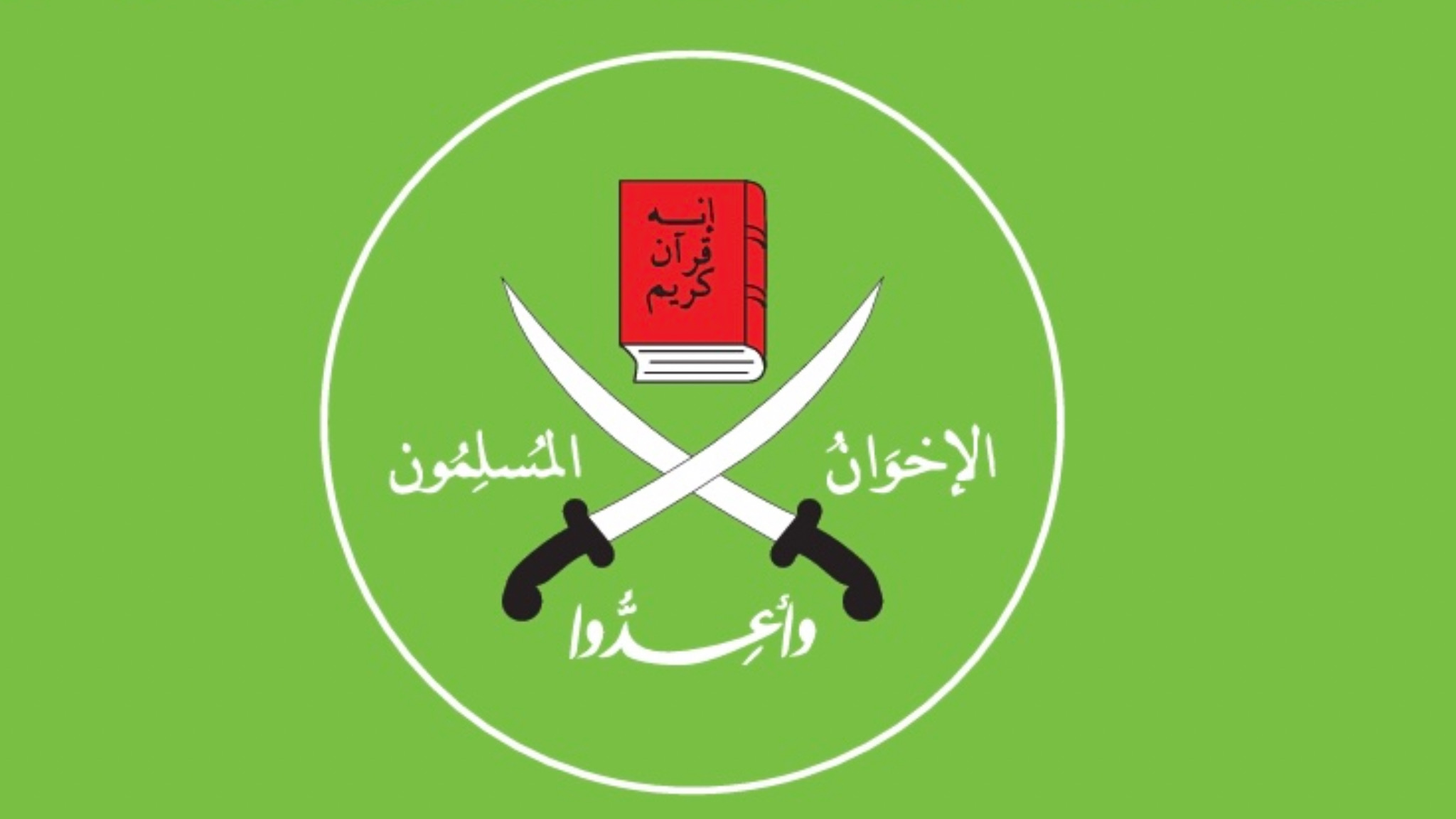
According to an exclusive poll (IFOP for our monthly Screen Watch), carried out from February 22 to 28, 2022, on a sample of 3,007 people aged 18 and over, on the means of fighting against Islamism, 85% of French support the proposal, put forward by several presidential candidates, aimed at “banning Islamist organizations linked to the Muslim Brotherhood and all the movement linked to it”.
Practising Catholics represent barely 10% of the French electorate. Nevertheless, they are the object of all the covetousness in the race for the presidential elections next April. Although they do not weigh much in quantitative terms, their positioning – on the border between a traditional right-wing, which is stagnating in opinion, and a national and identity-based right-wing, which is making strong progress – makes them a pivotal segment of the electorate around which the balance of power between the three right-wing and far-right candidates will be articulated. Thus, unless there is a surprise from a left that is more divided than ever, it is on the basis of the orientations of the Catholic vote that the decision will be made as to which of Valérie Pécresse, Marine Le Pen or Eric Zemmour will reach the second round of the presidential election.
The issue of the organisation of Muslim worship in Europe is not new. It is linked to many aspects, including cultural, national and linguistic ones. Since the end of the 1980s, public authorities in several European countries have been urging Muslim leaders to manage their faith. But the institutions designed to organise the Muslim faith remain unstable and unrepresentative.
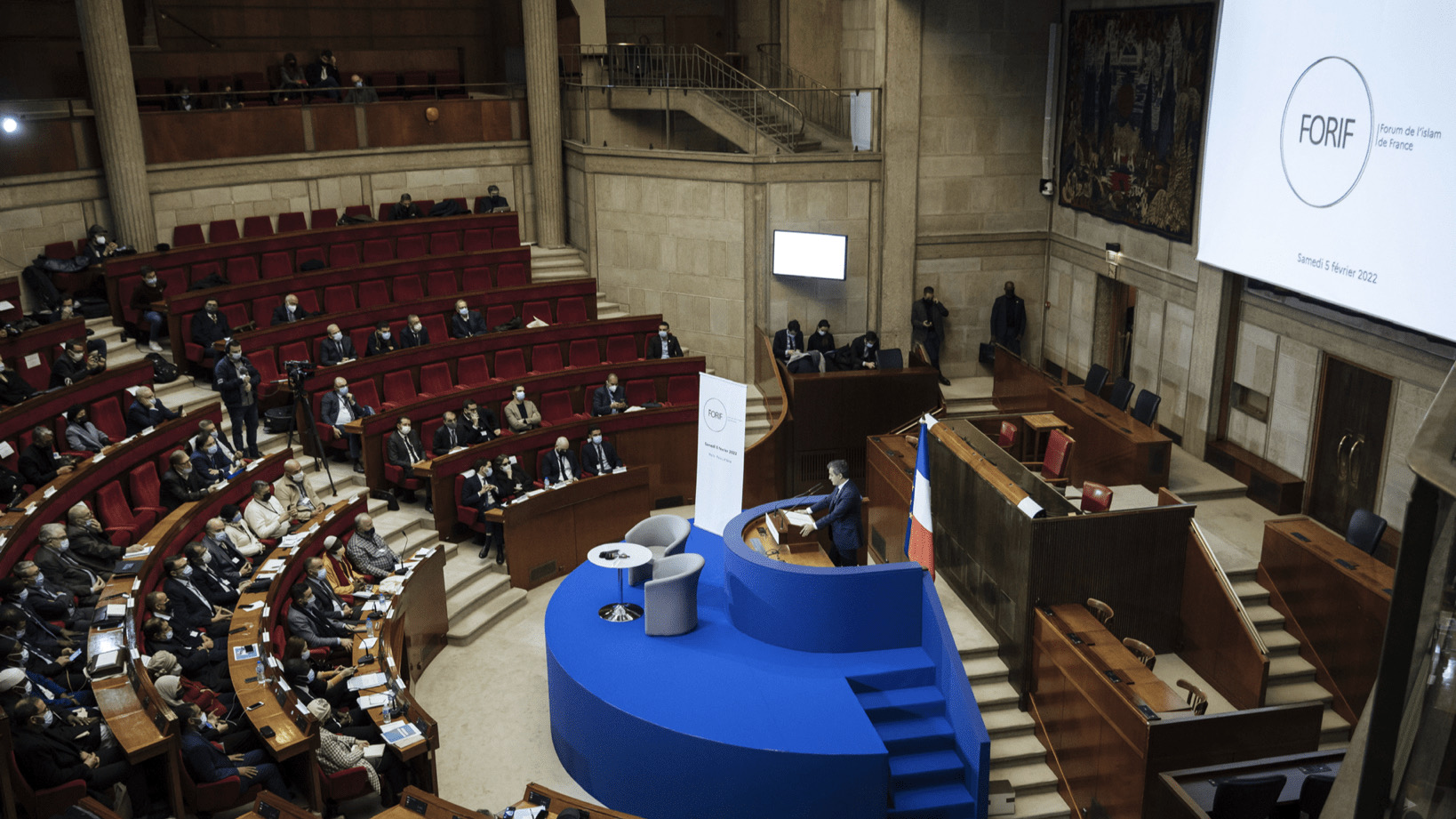
With the launch of the French Islam Forum (FORIF), whose first session was held on 5 February at the Economic, Social and Environmental Council in Paris, a calamitous parenthesis of nearly 20 years has just closed. By recording the “death” of the French Council of the Muslim Faith (CFCM) last December, the Ministry of the Interior, which is responsible for religious affairs, finally realised that this Council had become an obstacle to the fight against Islamist separatism, which had been wiped out by the entryism of the Muslim Brotherhood and the internal quarrels known as “consular Islam”, linked to the allegiances of the different federations of French Islam to the countries of origin of their members.
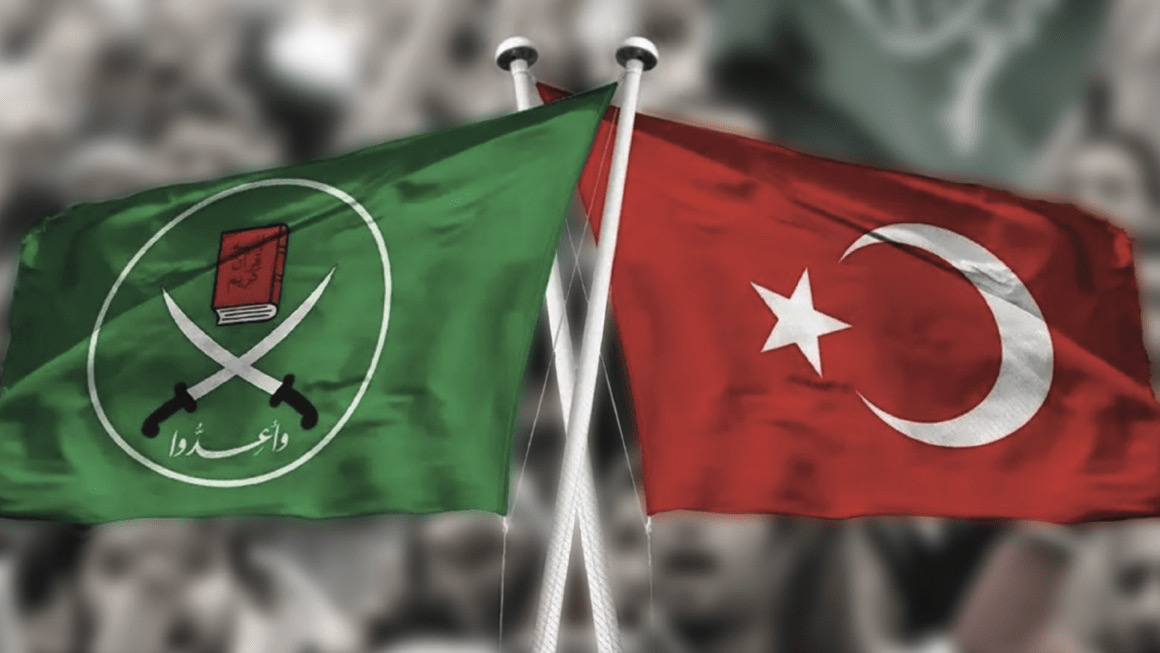
Is Turkish President Recep Tayyip Erdogan about to let go of the Muslim Brotherhood? The AKP of the Turkish Raïs claims the same ideology as the Brotherhood: political Islamism. But the reasons for this renunciation are not ideological. They are linked to the violent economic crisis which is hitting Ankara. And the polls that give the Turkish President losing in the next elections.
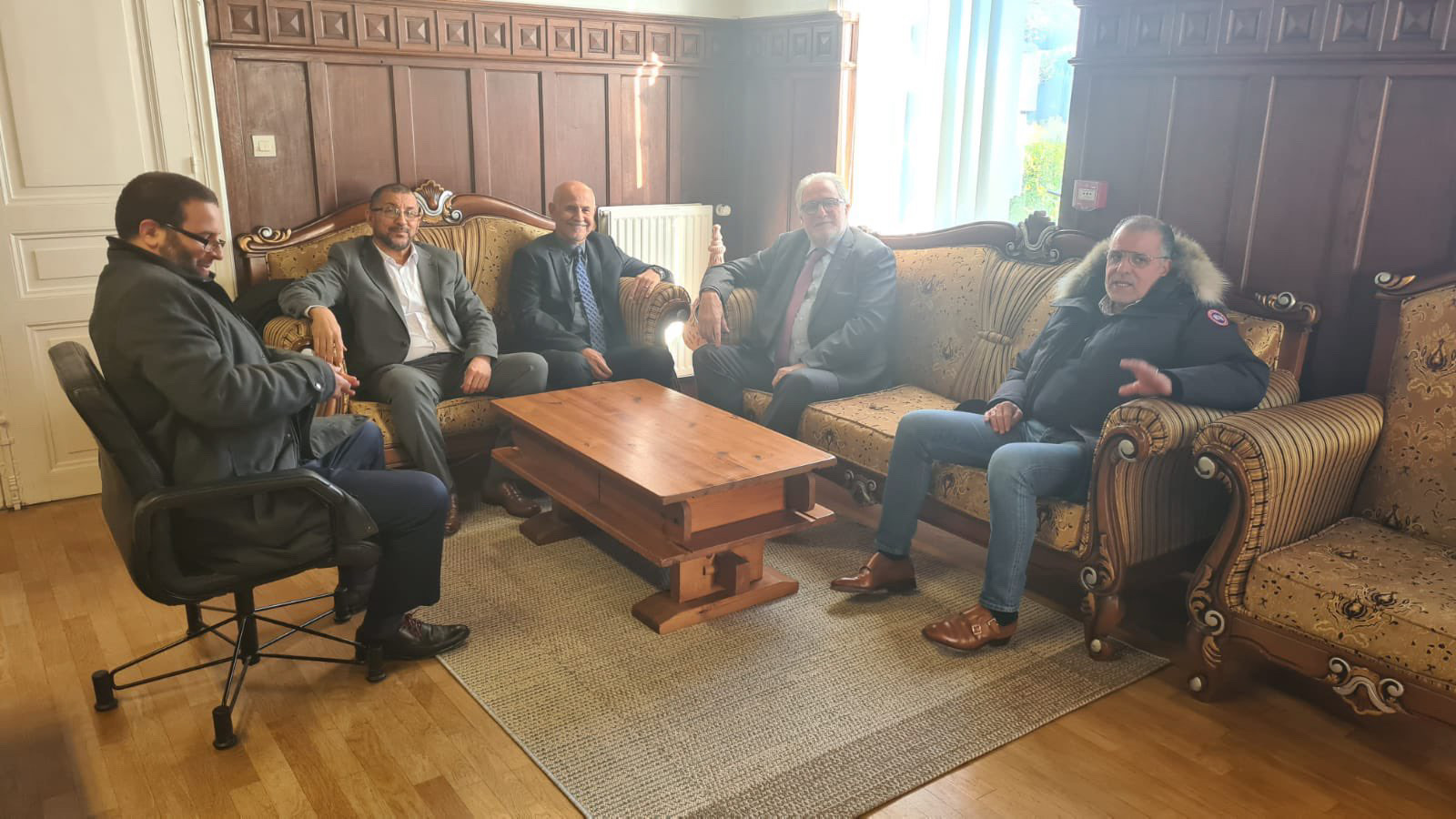
The ambivalence of Dr. Chams-Eddine and Mister Hafiz, capable of moving – in the space of barely three months – from a manifesto against Islamism to an alliance with the Muslim Brotherhood, finds its explanation in the fact that the rector of the Grand Mosque of Paris – like all his predecessors since the creation of this mosque in 1926 – is an official of the Algerian State: the Grand Mosque was erected as a sign of France’s gratitude to the “indigenous Algerian soldiers who died for their country during the Great War”.
